SEC Investigates $100M Insider Trading Claims Against Susquehanna
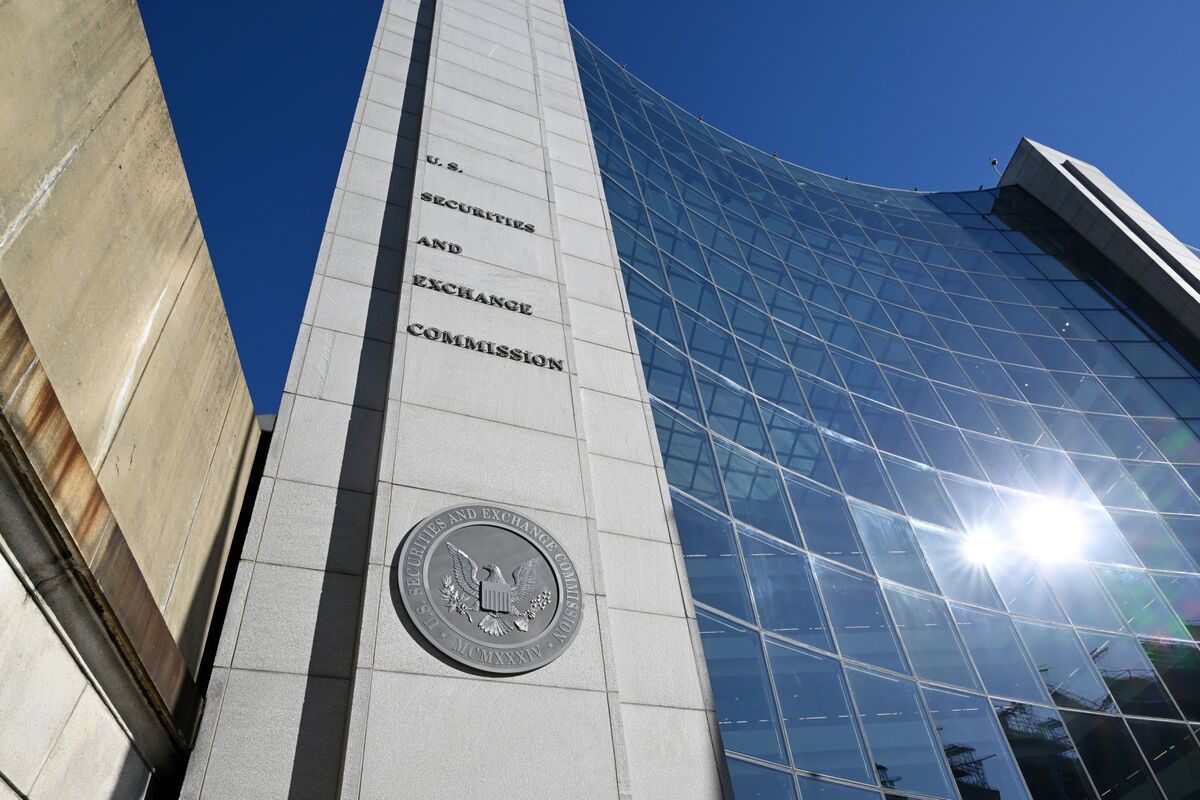
The U.S. Securities and Exchange Commission (SEC) is investigating allegations of insider trading that resulted in approximately $100 million in profits. These trades reportedly occurred on options bets placed just before China implemented a crackdown on cross-border brokerages. Susquehanna International Group, a prominent quantitative trading firm, is involved in this inquiry, as the alleged insider trading is said to have negatively impacted the firm.
A person familiar with the matter, who spoke on condition of anonymity, revealed the SEC's involvement and the scale of the alleged illicit gains. The timing of the trades, preceding a significant regulatory action by Chinese authorities, suggests a potential leak of non-public information. The crackdown itself targeted companies facilitating offshore trading for Chinese citizens, aiming to curb capital flight and enhance financial oversight.
While the specific individuals or entities accused of insider trading have not been publicly identified, the investigation focuses on uncovering how such sensitive information about the impending crackdown was obtained and utilized. The SEC's mandate includes policing markets for fraudulent activities, and insider trading is a key area of focus. The substantial profit amount indicates a sophisticated operation or access to highly valuable, time-sensitive information.
Susquehanna International Group, known for its significant presence in options trading and market making, has been a subject of interest due to the alleged financial harm it sustained from these trades. The firm has not publicly commented on the ongoing investigation. The SEC's probe underscores the challenges in policing global financial markets and the persistent threat of insider trading, especially in the context of significant geopolitical and regulatory shifts.
Original source — read the full reporting at the publisher:
Read on Bloomberg Markets