Screwworm's US Return Triggers Years-Long Livestock Fight
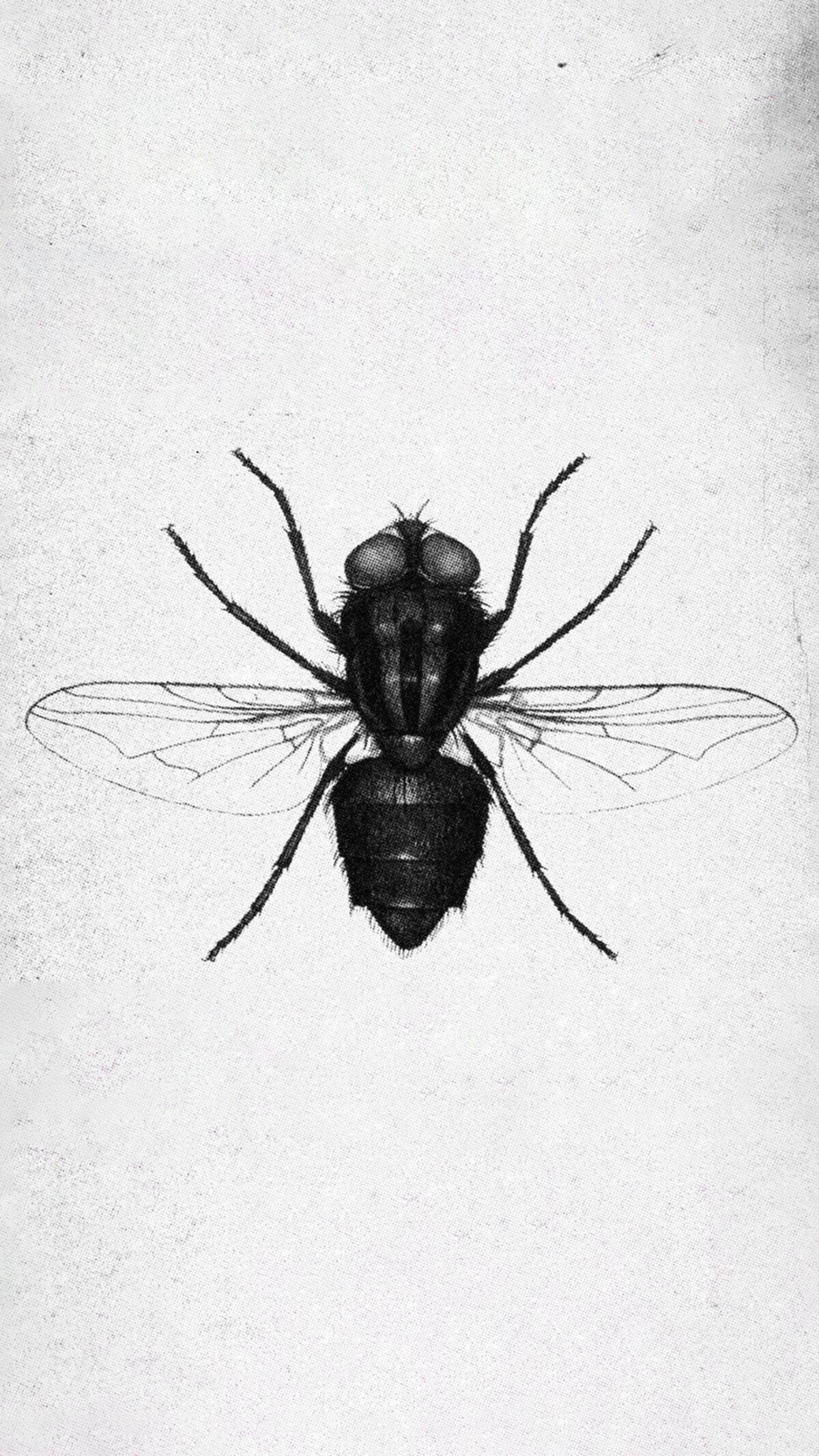
The New World screwworm, a parasitic fly, has returned to the United States, marking its first appearance in livestock in approximately fifty years. This resurgence poses a significant threat to the nation's beef industry, with potential impacts on beef prices. The U.S. Department of Agriculture (USDA) is actively implementing measures to combat the spread of this pest.
The USDA's strategy involves a multi-pronged approach to eradicate the screwworm population. This includes the release of sterile male screwworms, a method that has historically been effective in controlling insect populations. By mating with wild females, these sterile males prevent the reproduction of the pest, thereby reducing its numbers over time. The agency is also working to identify and treat infected animals to prevent further transmission.
Controlling the screwworm infestation is expected to be a prolonged effort, potentially lasting for several years. The parasitic nature of the screwworm, which feeds on living animal tissue, makes it particularly dangerous for livestock. Infestations can lead to severe tissue damage, secondary infections, and even death in affected animals. The economic implications are substantial, as the cost of treatment, animal loss, and potential trade restrictions could significantly affect the beef market.
This re-emergence highlights the ongoing challenges in agricultural biosecurity and the need for continuous vigilance against invasive species. The USDA's response underscores the importance of robust pest management programs and the commitment to protecting the agricultural sector from such threats. The success of these efforts will be crucial in mitigating the long-term economic and animal welfare consequences of the screwworm's return.
Original source — read the full reporting at the publisher:
Read on Bloomberg Markets