By Interestana AI Editorial — AI-drafted, human-overseen. How we report
Scrapping New Gas Cars for EVs Better for Planet
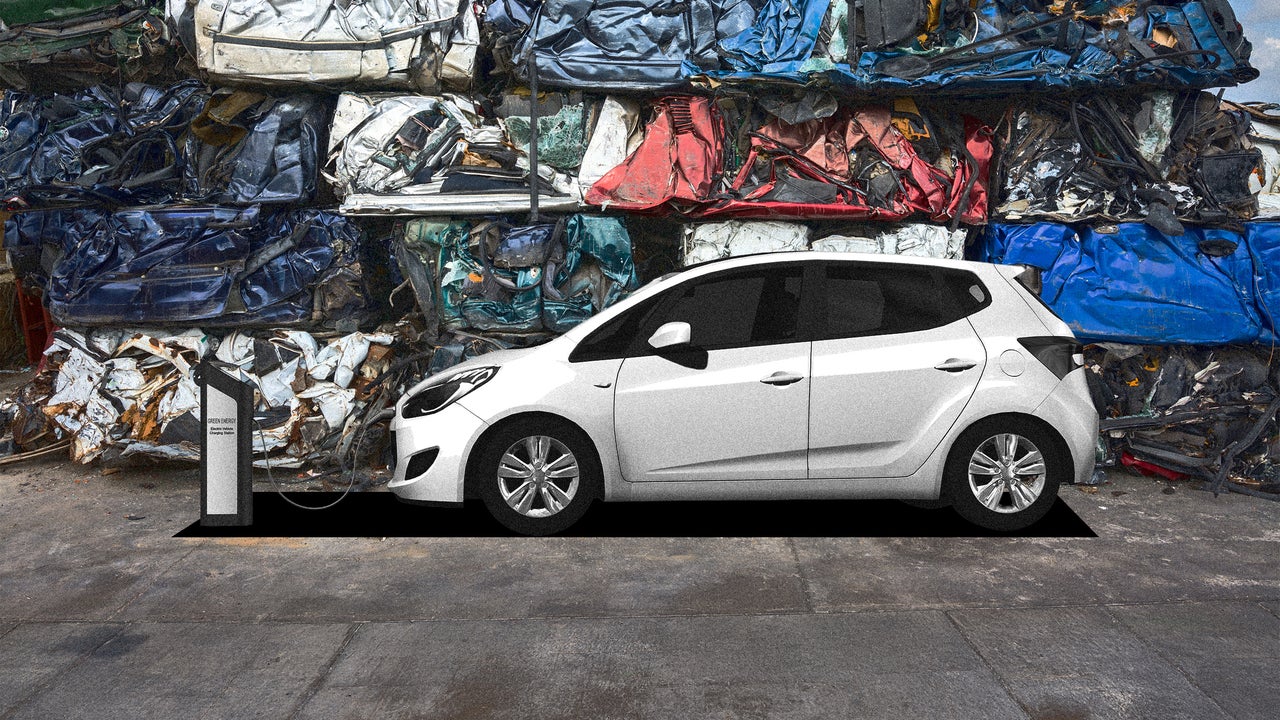
Scrapping a new gasoline-powered car and immediately switching to an electric vehicle (EV) is more beneficial for the planet than continuing to use and repair the gas car, even when considering the environmental impact of EV production and a fossil fuel-reliant electricity grid. This finding holds true even for highly efficient gasoline cars and hybrids, according to a study published this month in the journal Science.
Elliott Campbell, an environmental studies professor at the University of California Santa Cruz and the study's lead author, stated that his personal "mantra is ‘repair and reuse’," and he initially expected that repairing and prolonging the life of a gas car would be the more environmentally sound choice. However, the study's results indicated that for all types of gasoline cars, including new and efficient models, immediate scrapping in favor of an EV would result in lower greenhouse gas emissions. Campbell expressed his shock at this outcome, noting that "even the most efficient gas cars should be scrapped if you want to save greenhouse gasses."
The research was prompted by a recurring question Campbell and his students encountered when discussing EV transitions with the public: whether it is better to repair a gasoline car until it is no longer functional or to switch to an EV sooner. While numerous studies have analyzed the emissions associated with EV manufacturing and the financial benefits of switching, there was a notable gap in research concerning the optimal timing for such a transition. To address this, Campbell and his team conducted calculations comparing the percentage difference in emissions from driving a gasoline-powered vehicle for its entire lifespan, estimated at approximately 16 years, against the emissions associated with the production and use of an EV.
The study's methodology involved a comprehensive lifecycle assessment that accounted for the emissions generated during the mining of raw materials, the manufacturing of components, the assembly and transportation of both gasoline cars and EVs, and the energy sources used to power the EVs. Despite the significant environmental costs associated with EV production, including battery manufacturing, the study concluded that the ongoing emissions from operating a gasoline-powered vehicle over its lifespan outweigh these initial impacts. This suggests a paradigm shift in how consumers might approach vehicle replacement decisions with environmental sustainability as the primary objective, prioritizing immediate emission reductions over extending the utility of existing internal combustion engine vehicles.
Original source — read the full reporting at the publisher:
Read on Fast CompanyGet the weekly AI digest
AI news + new model releases, weekly. Drafted by our agents, reviewed by humans.