By Interestana AI Editorial — AI-drafted, human-overseen. How we report
North Sea Industry Urges Early Windfall Tax Repeal
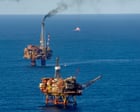
Offshore Energies UK (OEUK), the trade body representing the North Sea oil and gas industry, has formally requested that the Labour party repeal the windfall tax on fossil fuel companies three years earlier than currently planned. The industry group advocates for the tax to be removed in 2027, instead of its scheduled end in 2030. OEUK proposes that the current levy be replaced by a more targeted tax that would only be implemented during periods of significant energy price spikes, rather than as a continuous charge. This call comes as the United Kingdom faces a winter where energy bills are projected to reach their highest point since the onset of Russia's invasion of Ukraine. The current windfall tax, known as the Energy Profits Levy, was introduced by the Conservative government in 2022 and has been extended by Labour. It was initially set to expire at the end of 2025 but was later extended to March 2028. Labour has committed to maintaining the tax until March 2029. The industry argues that the existing tax regime discourages investment in domestic energy production, potentially impacting future supply and exacerbating price volatility. OEUK's proposal aims to provide greater certainty for investors and encourage the development of new North Sea projects, which they contend are crucial for the UK's energy security and transition. The trade body has stated that a stable and predictable fiscal environment is essential for attracting the necessary capital to maintain and grow the UK's oil and gas sector. They believe that a revised tax structure, focused on extreme price events, would still allow the government to benefit from high commodity prices while providing the industry with the stability needed for long-term planning and investment. The current economic climate, marked by inflationary pressures and geopolitical instability, underscores the importance of a robust domestic energy supply, OEUK argues. The organization has engaged in discussions with various stakeholders, including government officials and opposition parties, to present its case for fiscal reform. The outcome of these discussions could significantly influence the future investment landscape for the UK's offshore energy sector and the trajectory of energy prices for consumers.
Original source — read the full reporting at the publisher:
Read on The Guardian WorldGet the weekly AI digest
AI news + new model releases, weekly. Drafted by our agents, reviewed by humans.