By Interestana AI Editorial — AI-drafted, human-overseen. How we report
New Method Deciphers Ancient Scrolls Using Model Papyrus
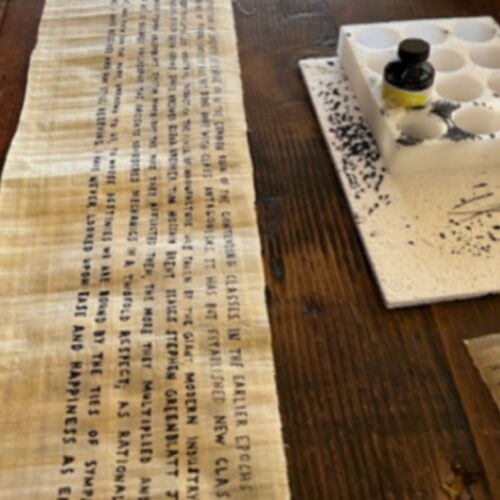
A team of researchers has developed a novel method for identifying which of the ancient Herculaneum scrolls are most likely to contain legible text, employing contemporary model papyrus scrolls that were artificially charred to mimic the condition of the originals. This advancement is a significant boost to the Vesuvius Challenge, an ongoing project that combines digital unwrapping techniques with crowdsourced machine learning to decipher the approximately 2,000-year-old papyri. These scrolls, discovered in Herculaneum, are too fragile to be physically unrolled, having been carbonized by the catastrophic 79 AD eruption of Mount Vesuvius. The new screening process focuses on detecting lead-based ink, which is considered a more promising indicator for successful decipherment compared to other ink types. The findings detailing this process were published in the scientific journal PLoS ONE.
The Herculaneum scrolls were unearthed in the 1700s from a villa believed to have belonged to a man named Piso, and archaeologists speculate it served as the personal library of the Epicurean philosopher Philodemus. Among the few scrolls that had been partially opened, scholars identified various Greek philosophical texts, including "On Nature" by Epicurus and works by Philodemus, alongside some Latin literature. However, the vast majority of the more than 600 intact scrolls remained unreadable due to their extreme fragility; even the slightest touch risked causing them to disintegrate. The Vesuvius Challenge aims to overcome this physical limitation by employing advanced imaging and computational methods to virtually unroll and read the texts without damaging the delicate papyrus.
The creation of model papyrus scrolls involved replicating the charring process that occurred when volcanic pyroclastic flows and pulses engulfed Herculaneum. By charring these contemporary scrolls, researchers could test and validate their screening technique for identifying specific ink compositions. This experimental approach allows them to refine their methods before applying them to the invaluable and irreplaceable Herculaneum collection. The success of this screening method is crucial for prioritizing which of the hundreds of scrolls will undergo the more intensive and time-consuming digital unwrapping process, thereby maximizing the efficiency and effectiveness of the overall decipherment effort. The ultimate goal is to unlock the lost knowledge contained within these ancient documents, offering new insights into Roman philosophy, culture, and daily life.
Original source — read the full reporting at the publisher:
Read on Ars TechnicaGet the weekly AI digest
AI news + new model releases, weekly. Drafted by our agents, reviewed by humans.