By Interestana AI Editorial — AI-drafted, human-overseen. How we report
California Releases Male Mosquitoes to Combat Longer Seasons
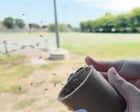
California is implementing a novel strategy to combat increasingly longer and more prevalent mosquito seasons by releasing nearly half a million male mosquitoes that carry a specific bacterium. This initiative is underway in the San Gabriel Valley, an area east of Los Angeles, where local authorities are actively deploying these insects. Tristan Hallum, who oversees scientific programs for the San Gabriel Valley Mosquito and Vector Control District, confirmed the arrival and distribution of these mosquitoes. The insects were delivered in containers, with over two dozen paper tubes, each roughly the size of a toilet paper roll, arriving at the district's facilities.
The core of this strategy involves the release of male mosquitoes that have been engineered or treated to carry a bacterium known as Wolbachia. This bacterium, when present in male mosquitoes, significantly reduces the ability of female mosquitoes to lay viable eggs. When these infected males mate with wild, uninfected female mosquitoes, the resulting eggs are typically infertile. This biological control method aims to suppress the overall mosquito population over time, thereby mitigating the impact of longer mosquito seasons. The longer seasons are attributed to changing climate patterns, which create more favorable conditions for mosquito breeding and survival for extended periods throughout the year.
The San Gabriel Valley Mosquito and Vector Control District is a key organization involved in managing mosquito populations and preventing mosquito-borne diseases in its jurisdiction. The district's work is crucial for public health, as mosquitoes can transmit serious illnesses such as West Nile virus and Zika virus. By introducing these sterile male mosquitoes, the district hopes to reduce the number of biting female mosquitoes, which are responsible for disease transmission and nuisance biting. This approach represents a shift towards more environmentally conscious and sustainable methods of pest control, moving away from broad-spectrum insecticides that can harm beneficial insects and the environment.
The release of nearly half a million mosquitoes is a significant undertaking, requiring careful planning and execution to ensure effectiveness and minimize any unintended consequences. The specific bacterium used, Wolbachia, is a naturally occurring microbe that infects many insect species, including some mosquitoes. When introduced into a mosquito population, it can effectively sterilize females, leading to a population crash. This method has been explored and implemented in various parts of the world as a sustainable alternative to traditional mosquito control methods. The success of this program in California could pave the way for similar initiatives in other regions facing similar challenges with extended mosquito seasons and the associated public health risks.
Original source — read the full reporting at the publisher:
Read on The Guardian EnvironmentGet the weekly AI digest
AI news + new model releases, weekly. Drafted by our agents, reviewed by humans.