By Interestana AI Editorial — AI-drafted, human-overseen. How we report
Parents Embrace Ed Tech Despite Broader Tech Skepticism
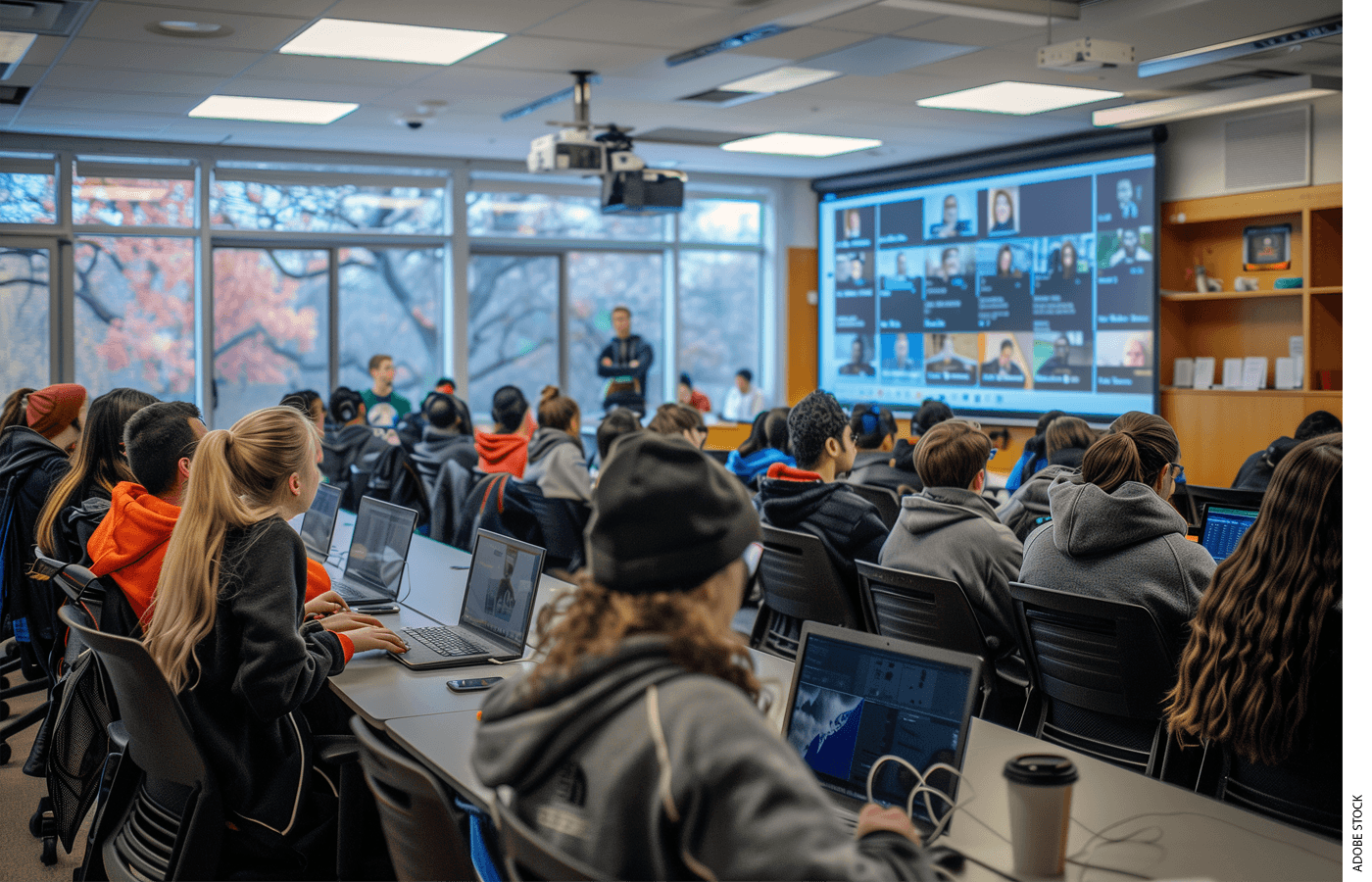
Despite widespread parental concern regarding the impact of Big Tech and data centers, a significant majority of parents express strong support for the integration of educational technology (ed tech) into their children's classrooms. This support extends to devices like Chromebooks and iPads, as well as platforms such as Canvas, i-Ready, and Kahoot. Recent data from EdChoice indicates that 86 percent of parents favor the use of laptops in class, 84 percent support online learning platforms, and 80 percent approve of online learning games. Furthermore, 60 percent of parents are in favor of using artificial intelligence in the classroom. A separate study by Hart Research found that 74 percent of parents view ed tech as beneficial for their child's learning, with 54 percent desiring increased technology use in their schools going forward. This continued positive sentiment towards "educational" tech stands in contrast to a broader societal skepticism towards Big Tech.
The enduring parental endorsement of ed tech can be attributed to two primary factors. Firstly, there is a pervasive desire to ensure schools are "future-ready," with parents hoping that incorporating advanced technology will equip their children with the necessary skills for a rapidly changing world. Secondly, parents generally exhibit a deep-seated trust in educators, assuming that the devices and software are being implemented thoughtfully and effectively. However, this trust may be misplaced as a device-driven culture, characterized by corner-cutting and pervasive distraction, could be detrimental to students' learning and development.
Concerns about the negative consequences of excessive technology in schools are being amplified by recent research. The Fordham Institute's report, "High Tech, Low Standards: High School in the Age of Distraction," authored by Brian Fitzpatrick, presents sobering findings from a national survey. This survey polled 1,000 high school students and 1,000 recent high school graduates, revealing potentially concerning trends related to distraction and academic standards in technology-saturated educational environments. The report suggests that the very tools intended to enhance learning may, in fact, be contributing to a decline in educational rigor and an increase in distractions, challenging the optimistic outlook many parents hold regarding ed tech.
The contrast between parental approval of ed tech and broader anxieties about technology's societal impact highlights a complex dynamic. While parents are keen to see their children benefit from technological advancements in education, there is a growing need for critical evaluation of how these tools are deployed and their actual impact on student outcomes. The Fordham Institute's report serves as a crucial intervention, urging a re-examination of the relationship between high-tech classrooms and educational standards, potentially prompting a shift in parental perspectives as more evidence of the downsides emerges.
Original source — read the full reporting at the publisher:
Read on Education NextGet the weekly AI digest
AI news + new model releases, weekly. Drafted by our agents, reviewed by humans.