By Interestana AI Editorial — AI-drafted, human-overseen. How we report
French Parliament Reauthorizes Banned Pesticides, Angering Beekeepers
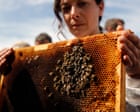
The French parliament has approved a bill that reauthorizes the use of two neonicotinoid pesticides, a decision that has ignited widespread fury among beekeepers and environmentalists across the nation. These specific neonicotinoids were previously banned, with scientists citing their detrimental impact on bee populations. The reauthorization permits their application to combat a disease that is significantly damaging crops. Beekeepers argue that this move will lead to further decimation of already vulnerable bee populations and consequently reduce agricultural harvests. Carolyn Bouguet, a beekeeper from Essonne, expressed profound frustration, stating that bee populations are already under severe pressure from climate change, emerging parasites, and habitat loss. She conveyed that this legislative decision exacerbates these existing challenges, adding another layer of threat to the survival of bees. The union representing beekeepers has characterized the decision as "scandalous, irrational, and irresponsible," emphasizing the potential for these pesticides to poison bees and diminish crop yields. Neonicotinoids are a class of insecticides chemically similar to nicotine. They were first introduced in the 1990s and have become one of the most widely used insecticides globally. However, extensive research has linked them to significant harm to non-target organisms, particularly pollinators like bees. Studies have indicated that even at sub-lethal doses, neonicotinoids can impair bees' navigation, foraging abilities, and immune systems, making them more susceptible to diseases and parasites. The European Union has previously implemented restrictions on neonicotinoids, with France being among the countries that have enforced bans on certain uses. The decision to lift these bans, even for specific crop protection purposes, is seen by critics as a significant setback for biodiversity and sustainable agriculture. Environmental organizations have echoed the concerns of beekeepers, warning of cascading ecological consequences. They highlight the crucial role of bees in pollination, which is essential for the reproduction of many plant species, including a substantial portion of the world's food crops. The reintroduction of these pesticides is expected to intensify the debate surrounding agricultural practices and their environmental footprint in France and potentially across the European Union. The long-term implications for both the agricultural sector and the broader ecosystem are a major point of contention, with opponents predicting a decline in pollinator health and a subsequent impact on food security. The French government's justification for the reauthorization reportedly centers on the need to protect agricultural output from the severe damage caused by the specific crop disease, suggesting that the economic impact of crop loss outweighs the environmental risks. However, this rationale is strongly contested by the beekeeping and environmental communities, who advocate for alternative, less harmful pest management strategies.
Original source — read the full reporting at the publisher:
Read on The Guardian WorldGet the weekly AI digest
AI news + new model releases, weekly. Drafted by our agents, reviewed by humans.