By Interestana AI Editorial — AI-drafted, human-overseen. How we report
Spokane Residents Stunned by Unprecedented Fire Devastation, Even Seasoned Observers Alarmed
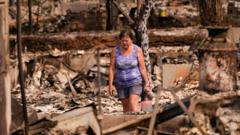
Residents of Spokane, Washington, are grappling with a profound sense of shock and disbelief following a recent period of unprecedented fire devastation. This sentiment is particularly striking as it has been voiced even by individuals who are accustomed to the annual fire seasons that often affect the Pacific Northwest. The intensity and the sheer speed at which these fires have spread have evidently surpassed the expectations of those with prior experience of such environmental challenges.
One Spokane resident, speaking to the BBC, recounted a specific moment that crystallized the immense danger she and her community were facing. This pivotal realization occurred when she heard that the fire had managed to breach a significant natural barrier: the Spokane River. The Spokane River, a prominent geographical feature flowing through the city, typically acts as a natural firebreak. The fact that the fire was able to cross it underscores the unusual and exceptionally aggressive nature of the current fire events. This suggests a departure from the typical fire behavior patterns that have been observed and managed in the region for decades.
While the exact acreage burned or the precise number of structures affected by these fires were not detailed in the initial reporting, the resident's account powerfully illustrates the psychological and emotional toll these events are having on the community. The ability of the wildfire to overcome natural defenses like the Spokane River signifies a level of ferocity that has unsettled even those who might have considered themselves seasoned observers of fire seasons. This event serves as a stark and urgent reminder of the increasing vulnerability of communities to extreme weather phenomena, a trend widely attributed to the accelerating impacts of climate change. The altered weather patterns, characterized by hotter and drier conditions, create an environment ripe for more frequent and intense wildfires.
Local authorities and emergency services have been engaged in extensive and coordinated efforts to combat the fires and provide critical assistance to the affected residents. These response operations involve a multi-agency approach, bringing together firefighters from various departments, law enforcement personnel for evacuation and security, and disaster relief organizations to support those displaced. The primary focus remains on containment and suppression of the flames, alongside ensuring the safety and well-being of the population. The long-term implications of this devastating event, encompassing recovery efforts, potential rebuilding, and likely significant changes in fire management strategies and urban planning for Spokane and its surrounding areas, are expected to be profound. The resilience of the Spokane community will undoubtedly be tested as it navigates the challenging aftermath of these destructive fires, with a pervasive sense of shock and a call for adaptation echoing throughout the city.
Original source — read the full reporting at the publisher:
Read on BBC World NewsGet the weekly AI digest
AI news + new model releases, weekly. Drafted by our agents, reviewed by humans.