By Interestana AI Editorial — AI-drafted, human-overseen. How we report
Saudi Oil Loadings Face Buyer Caution Amid Shipping Threats
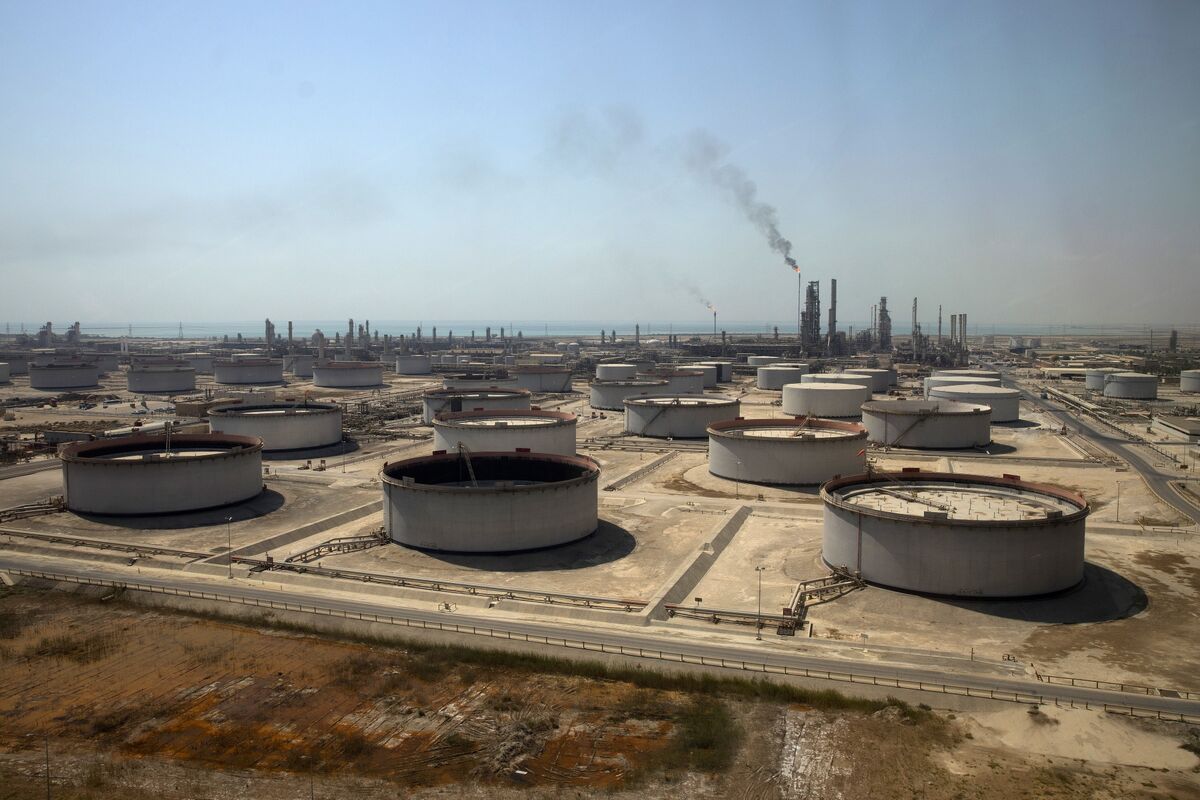
Saudi Arabia's initiative to resume oil loadings from its Ras Tanura terminal on the Persian Gulf is encountering hesitation from potential buyers. Customers are reportedly reluctant to take on cargoes from this location due to persistent threats to maritime shipping in the region. This caution from buyers poses a challenge to Saudi Arabia's efforts to re-establish normal oil flow operations from the key terminal.
The situation highlights the ongoing security concerns impacting crucial energy transit routes. The renewed threats to shipping have created an environment of uncertainty, leading customers to prioritize safer alternatives for their oil procurement. This reluctance directly affects the volume of oil that can be loaded and exported from Ras Tanura, potentially impacting global supply dynamics.
Sources familiar with the matter indicate that the hesitancy is a direct consequence of the volatile security landscape in the Persian Gulf. The perceived risks associated with navigating these waters are outweighing the immediate availability of oil from the Saudi terminal for some buyers. This dynamic underscores the delicate balance between energy supply and geopolitical stability in the region.
While Saudi Arabia aims to fully operationalize Ras Tanura, the cautious stance of its customer base suggests that a complete revival of loadings may be contingent on a significant de-escalation of shipping threats. The market will be closely watching how these security concerns evolve and their subsequent impact on Saudi oil exports and broader energy market sentiment.
Original source — read the full reporting at the publisher:
Read on Bloomberg MarketsGet the weekly AI digest
AI news + new model releases, weekly. Drafted by our agents, reviewed by humans.