By Interestana AI Editorial — AI-drafted, human-overseen. How we report
Saudi Arabia, Turkey, Pakistan Sign Defence Pact
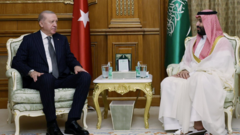
Saudi Arabia, Turkey, and Pakistan have formalized a mutual defence pact, establishing a collective security framework that designates an attack on any one signatory as an attack against all three. This agreement was signed on October 26, 2023, amid escalating geopolitical tensions and ongoing conflicts in the Middle East, signaling a unified front among the three nations.
The pact aims to bolster regional stability by creating a deterrent against potential aggression and fostering closer military and strategic cooperation. The signatories intend to conduct joint military exercises, share intelligence, and coordinate their defence policies to address common security challenges. The agreement underscores a commitment to mutual defence, with each nation pledging to provide support, including military assistance, if one of the pact members faces an armed attack. This development is particularly significant given the volatile security environment in the Middle East, which has seen increased proxy conflicts and the direct involvement of major powers.
While specific details regarding the operational mechanisms and command structures of the pact remain under discussion, the core principle of collective defence is clearly articulated. The agreement is expected to enhance the defence capabilities of all three countries and contribute to a more predictable security landscape in their respective regions. The pact's formation reflects a strategic alignment driven by shared concerns over regional security and a desire to enhance their collective bargaining power on the international stage. The involvement of Saudi Arabia, a major economic and political power in the Gulf, alongside Turkey, a NATO member with significant military influence, and Pakistan, a nuclear-armed state with a large standing army, creates a formidable bloc.
This defence pact could have far-reaching implications for regional power dynamics, potentially influencing existing alliances and security arrangements. The signatories have expressed their commitment to upholding international law and promoting peace and stability. The agreement is seen as a proactive measure to safeguard their national interests and ensure the security of their borders and populations in an increasingly uncertain global climate. The pact's success will likely depend on the effective implementation of its provisions and the sustained political will of the member states to cooperate on defence matters.
Original source — read the full reporting at the publisher:
Read on BBC World NewsGet the weekly AI digest
AI news + new model releases, weekly. Drafted by our agents, reviewed by humans.