By Interestana AI Editorial — AI-drafted, human-overseen. How we report
Saudi Arabia's East-West Pipeline Attack: A Threat to Global Oil Supply
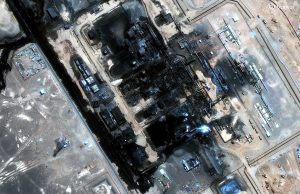
Saudi Arabia's decision to close its critical East-West oil pipeline on Friday, April 19, 2024, following a drone attack attributed to Iran-backed militias, has amplified concerns about global energy market stability and the potential for even more severe supply shortages. Regional officials have indicated that repairs to the pipeline could take between three to five weeks, a timeline that significantly impacts the flow of crude oil from the Persian Gulf to the Red Sea. This strategic bypass of the Strait of Hormuz was originally conceived and constructed in the 1980s during the protracted Iran-Iraq War, precisely as a contingency measure against potential disruptions orchestrated by Tehran in the vital Strait of Hormuz. The pipeline's historical significance has been amplified by the current geopolitical climate.
The Strait of Hormuz, a narrow but immensely important maritime chokepoint, is responsible for the transit of approximately one-fifth of the world's total oil supply. Recent events, including reported attacks on Iran in February, have already led to a reduction in tanker traffic through this critical waterway. The situation is further complicated by the presence and actions of Iran-backed Houthi rebels in Yemen, who have seized islands along key Red Sea shipping routes. These seizures pose an additional and direct threat to Saudi Arabia's export capabilities, particularly as oil is moved westward via the East-West pipeline.
While a few limited alternative routes for oil transit do exist, including some tanker traffic that still navigates the Strait of Hormuz, energy experts are warning of the cumulative impact of these multiple disruptions. They caution that the global energy market could face more significant supply shocks, leading to sustained increases in fuel prices. Such price hikes would inevitably strain household budgets worldwide, impacting the cost of essential goods and services.
The East-West pipeline itself is a substantial piece of infrastructure, stretching approximately 1,200 kilometers (746 miles) across the vast desert landscape of Saudi Arabia. Its primary function is to transport crude oil from processing facilities located near the Persian Gulf westward to terminals on the Red Sea coast. From these Red Sea terminals, the crude oil is typically loaded onto supertankers. These tankers then embark on journeys north towards Europe, often transiting the Suez Canal, or south towards Asia, navigating the Bab el-Mandeb Strait, another crucial maritime passage.
Prior to the recent attack, the East-West pipeline played a crucial role in ensuring that at least some oil continued to flow out of the Middle East, even during periods when tanker traffic through the Strait of Hormuz was significantly curtailed. Data from Rystad Energy, a prominent energy consultancy, indicated that the pipeline was handling an average of between 2.6 million and 4 million barrels of oil per day. The recent attack and subsequent closure have already contributed to a noticeable uptick in oil prices. On Monday, April 22, 2024, Brent crude, the internationally recognized benchmark for oil prices, was trading at over $105 a barrel. This incident starkly illustrates the inherent vulnerability of global energy infrastructure to regional conflicts and the profound economic repercussions that can arise from such attacks.
Original source — read the full reporting at the publisher:
Read on FortuneGet the weekly AI digest
AI news + new model releases, weekly. Drafted by our agents, reviewed by humans.