By Interestana AI Editorial — AI-drafted, human-overseen. How we report
Sardinian village of Bolotana emerges as potential new 'blue zone' with exceptional female longevity
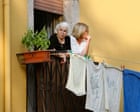
The Sardinian village of Bolotana, situated approximately 70 miles from the island's historically recognized "blue zones," is now being investigated as a potential new geographic hotspot for exceptional human longevity, with a particular emphasis on its female population. A recent study conducted in this small mountain community has revealed a remarkable statistic: 13% of women in Bolotana who reach the age of 70 go on to celebrate their 100th birthday. This finding is particularly significant given the established reputation of Sardinia as a "blue zone." The concept of "blue zones" was first popularized in 1999 when researchers identified specific geographic areas around the world characterized by unusually high concentrations of centenarians – individuals living to 100 years or older. Sardinia's initial designation as a "blue zone" encompassed a cluster of remote villages nestled within the central and eastern provinces of the island. These original "blue zones" were notable for their high rates of longevity, and early studies often highlighted the exceptional lifespan of men in these communities. The current research in Bolotana, however, suggests a potential shift in the demographic focus of longevity within Sardinia, pointing towards a significant prevalence of centenarians among women in this specific locale. The scientific community's interest in "blue zones" stems from the belief that unique lifestyle, environmental, and genetic factors within these regions contribute to extended lifespans. These contributing elements typically include dietary habits, levels of physical activity, strong social connections, and a profound sense of purpose or community engagement. While the initial "blue zone" identification in Sardinia focused on the longevity of its male inhabitants, the emerging data from Bolotana indicates that other Sardinian communities may also harbor the conditions conducive to extreme old age, with a notable concentration of centenarians being women. Further in-depth research is anticipated to meticulously explore the specific genetic predispositions, environmental influences, and distinct lifestyle practices that may underpin this elevated rate of female centenarians in Bolotana. Understanding these intricate factors could yield invaluable insights into the broader scientific understanding of aging and longevity, potentially offering universally applicable lessons for global health and wellness strategies. The ongoing scientific fascination with Sardinia as a unique living laboratory for studying human longevity is further underscored by these new findings, which could significantly expand our comprehension of the multifaceted elements that contribute to living to 100 and beyond, especially for women.
Original source — read the full reporting at the publisher:
Read on The Guardian WorldGet the weekly AI digest
AI news + new model releases, weekly. Drafted by our agents, reviewed by humans.