By Interestana AI Editorial — AI-drafted, human-overseen. How we report
California City Considers Beach Restoration Tax Amid Erosion
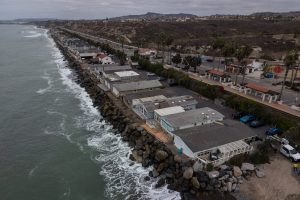
Coastal erosion in San Clemente, California, a city of 62,000 residents, has significantly reduced beach access and damaged infrastructure, leading to discussions about a potential local tax for restoration. For decades, the "Spanish village by the sea" has experienced a shrinking shoreline, with rising sea levels and increased wave action pushing the coast landward. This erosion has fragmented the city's North Beach and caused bluffs to crumble, impacting oceanfront properties and repeatedly disrupting service on the passenger rail line, which is noted as the second busiest in the United States. Scientists have previously warned about the escalating threat of coastal erosion in Southern California, with projections indicating that over half of the region's beaches could experience significant erosion by the year 2100, fundamentally altering coastal living and recreational activities.
Sean Vitousek, a research oceanographer with the U.S. Geological Survey, highlighted the persistent pressure of sea level rise, stating that continued increases will inevitably lead to further landward retreat of beaches. The current situation in San Clemente is exacerbated by urban development, which has impeded the natural flow of sediment that historically replenished the beaches. Compounding this issue are warmer ocean waters, which contribute to higher and more aggressive wave activity along the coast. This combination of factors has created a challenging environment, prompting residents of the predominantly Republican city to explore self-imposed financial measures for beach recovery.
The potential solution being considered involves a 1% sales tax, a measure that residents may vote on to fund beach restoration projects. This initiative reflects the growing urgency and the direct impact of climate change on coastal communities. The problem is not unique to San Clemente; other California coastal towns are also confronting similar challenges. For instance, the town of Pacifica, located south of San Francisco, recently had to close its damaged concrete pier due to erosion. Furthermore, during a storm surge driven by a hurricane, seawater inundated homes in Long Beach, near Los Angeles. Research indicates that El Niño events are intensifying due to human-induced climate change, suggesting a worsening trend for coastal regions susceptible to extreme weather and sea level rise.
The long-term implications of unchecked erosion extend beyond immediate property damage and infrastructure disruption. The alteration of beaches affects tourism, local economies, and the overall quality of life for residents who have long enjoyed the natural beauty of the California coast. The consideration of a dedicated tax in San Clemente underscores the significant financial commitment required to mitigate and adapt to these environmental changes, signaling a proactive, albeit costly, approach to preserving vital coastal resources against the backdrop of a changing climate.
Original source — read the full reporting at the publisher:
Read on FortuneGet the weekly AI digest
AI news + new model releases, weekly. Drafted by our agents, reviewed by humans.