By Interestana AI Editorial — AI-drafted, human-overseen. How we report
Samsung Launches HDR10+ Advanced Format on Prime Video
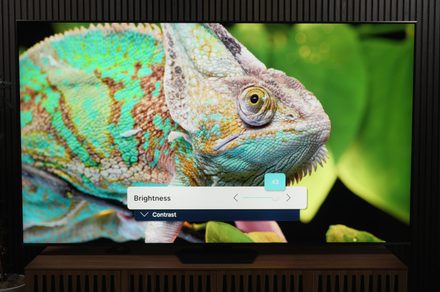
Samsung has officially launched its new high dynamic range (HDR) video format, HDR10+ Advanced, with its debut slated for Prime Video and Samsung's 2026 television lineup this month. This initiative represents Samsung's continued effort to establish HDR10+ as a significant competitor to Dolby Vision, a proprietary HDR technology developed by Dolby Laboratories. HDR10+ Advanced aims to enhance the viewing experience by offering more dynamic metadata, allowing for scene-by-scene or even frame-by-frame adjustments to brightness and contrast. This granular control enables content creators to deliver a more precise and impactful visual presentation, ensuring that the intended artistic vision is preserved across a wider range of display devices.
The HDR10+ standard, which is royalty-free and open-source, was initially developed by Samsung in collaboration with Panasonic and 20th Century Fox (now part of Disney) in 2017. Its open nature has been a key differentiator from Dolby Vision, which requires licensing fees and specific hardware certifications. The introduction of HDR10+ Advanced signifies an evolution of this standard, promising further improvements in picture quality and compatibility. The partnership with Amazon's Prime Video is a crucial step in gaining wider adoption, as it brings the format to a major streaming platform with a substantial content library. Prime Video will begin offering select titles in HDR10+ Advanced, allowing consumers to experience the benefits of the new format directly.
Samsung's 2026 television models will be equipped to fully support HDR10+ Advanced, ensuring that early adopters can leverage the technology. This move is part of a broader strategy by Samsung to bolster its ecosystem of smart TV technologies and content partnerships. By expanding the reach of HDR10+, Samsung seeks to provide consumers with more choice and potentially more affordable HDR viewing options compared to proprietary formats. The success of HDR10+ Advanced will likely depend on the continued support from content producers, streaming services, and other hardware manufacturers in adopting the standard. The company's commitment to an open standard suggests a long-term vision to democratize advanced HDR technology, making it more accessible to a wider audience and fostering greater innovation within the display and content creation industries.
Original source — read the full reporting at the publisher:
Read on Digital TrendsGet the weekly AI digest
AI news + new model releases, weekly. Drafted by our agents, reviewed by humans.