By Interestana AI Editorial — AI-drafted, human-overseen. How we report
Samsung Reports Record $62 Billion Profit Fueled by AI Chip Demand
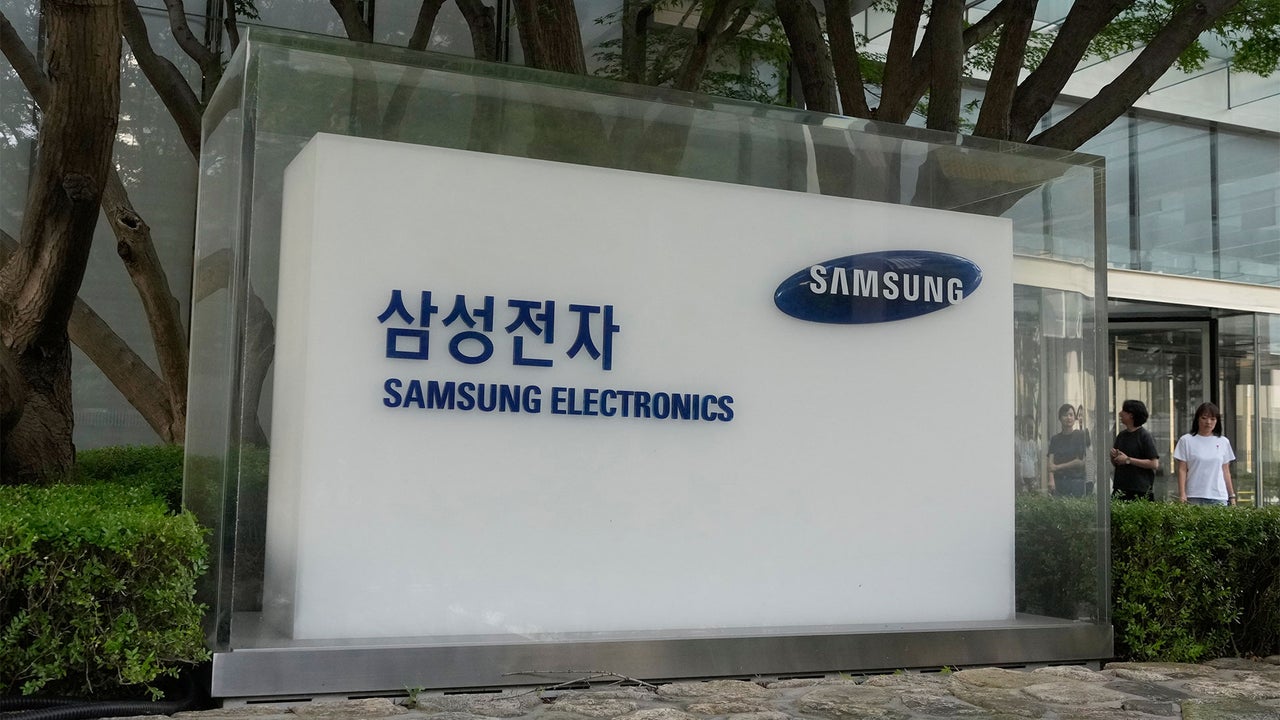
Samsung Electronics reported a record operating profit of 89.5 trillion won ($62 billion) for the second quarter of the year, which concluded on June 30. This announcement followed a similar record earnings report from its competitor, SK Hynix, underscoring the significant impact of the global artificial intelligence boom on the memory chip market. Despite these substantial profits, both companies experienced sharp declines in their share prices this week. This market reaction is attributed to growing investor concerns regarding substantial planned investments in expanding manufacturing capacity and the potential for increased competition from Chinese manufacturers.
Samsung's second-quarter operating profit represents a more than 19-fold increase compared to the same period in the previous year. The overwhelming majority of this profit originated from its semiconductor business. This segment benefited from rising chip prices, a direct consequence of increased demand for AI servers. Furthermore, shipments of advanced high-bandwidth memory (HBM) chips, crucial for powering AI applications, also contributed significantly to the profit surge. This robust performance in semiconductors helped to offset an operating loss incurred by Samsung's mobile, TV, and home appliances division, which was partly impacted by higher component costs. The company's total quarterly revenue reached an all-time high of 171.5 trillion won ($119 billion).
Looking ahead, Samsung anticipates sustained strong demand for its memory products throughout the second half of the year. This optimism is fueled by the ongoing expansion of AI infrastructure and the increasing adoption of agentic AI technologies. The company specifically expects demand for server chips to accelerate further, leading to a continued undersupplied market. This outlook was detailed in a company statement. The report from Samsung came just one day after SK Hynix announced its own record second-quarter revenue of 60.5 trillion won ($42 billion). However, SK Hynix's profit fell short of more ambitious market expectations, leading to a decline of over 9% in its share price on Wednesday. Samsung's share prices have also seen a downturn this week.
Kim Jaejune, an executive within Samsung's memory chip division, stated that the company projects the gap between chip supply and demand to widen further by 2027. He indicated that Samsung is planning to increase its production capacity to meet this anticipated demand. The company's strategic focus on high-performance memory solutions for AI applications positions it to capitalize on the continued growth in the AI sector. The global demand for AI-powered computing is driving innovation and investment across the semiconductor industry, with companies like Samsung and SK Hynix at the forefront of supplying the essential components.
Original source — read the full reporting at the publisher:
Read on Fast CompanyGet the weekly AI digest
AI news + new model releases, weekly. Drafted by our agents, reviewed by humans.