By Interestana AI Editorial — AI-drafted, human-overseen. How we report
Samsung Galaxy Z Fold 8 Ultra Review: Iterative Foldable Improvements
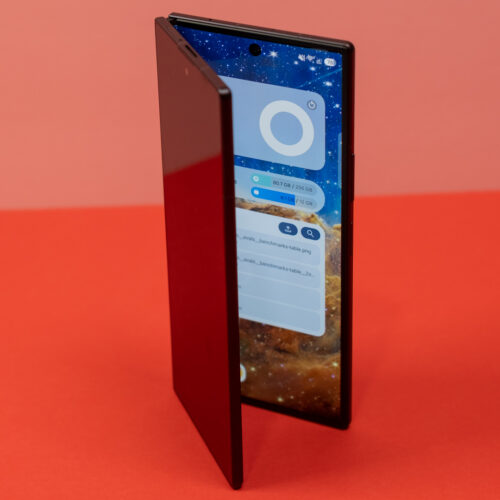
Samsung's Galaxy Z Fold 8 Ultra represents an iterative advancement in the foldable smartphone market, a category largely pioneered by the company. While Samsung has historically led this segment, it now faces increasing competition from manufacturers such as Google, Motorola, and numerous Chinese original equipment manufacturers (OEMs) who are also releasing flexible devices. The Z Fold 8 Ultra maintains a tablet-style foldable form factor, similar in approximate size and shape to its predecessors, rather than adopting the wider frame seen in the standard Z Fold 8 model. This approach signifies Samsung's ongoing strategy of incremental enhancements to its foldable line, aiming to refine the user experience and address the inherent trade-offs associated with this technology.
Significant progress has been made in mitigating the bulkiness that once characterized foldable phones. Early foldable devices were often described as pocket-busters, feeling akin to carrying two standard smartphones joined together. Samsung has systematically reduced the thickness of its foldable devices over successive generations, with a notable reduction occurring in the previous year with the Z Fold 7. The Z Fold 8 Ultra continues this trend, being marginally slimmer than its predecessor, although this difference is described as largely imperceptible to the user. The physical layout of the device remains consistent, featuring the same button placement, including the integrated fingerprint sensor within the power button. These design choices reflect a mature product line where major structural changes are becoming less frequent, with the focus shifting to subtle refinements.
The primary compromise that persists with the Z Fold 8 Ultra, and indeed with most high-end foldable phones, is its substantial price. While the device has largely overcome the functional and ergonomic compromises that were once common in foldable designs—such as screen creasing, durability concerns, and the overall thickness—the cost remains a significant barrier for many consumers. The iterative improvements have successfully minimized the perceived disadvantages of a foldable form factor, making it a more viable alternative to traditional flat smartphones. However, the premium associated with the advanced engineering and flexible display technology means that the Z Fold 8 Ultra, like its predecessors, is positioned as a high-cost device. This pricing strategy aligns with Samsung's premium product offerings and the specialized nature of the foldable market, which currently caters to early adopters and users willing to pay a premium for cutting-edge technology and a unique form factor. The review suggests that while the device offers a refined foldable experience, its ultra-premium price point is the most significant factor to consider for potential buyers.
Original source — read the full reporting at the publisher:
Read on Ars TechnicaGet the weekly AI digest
AI news + new model releases, weekly. Drafted by our agents, reviewed by humans.