By Interestana AI Editorial — AI-drafted, human-overseen. How we report
Samsung Galaxy Flagships Succeed Amidst RAM Shortages
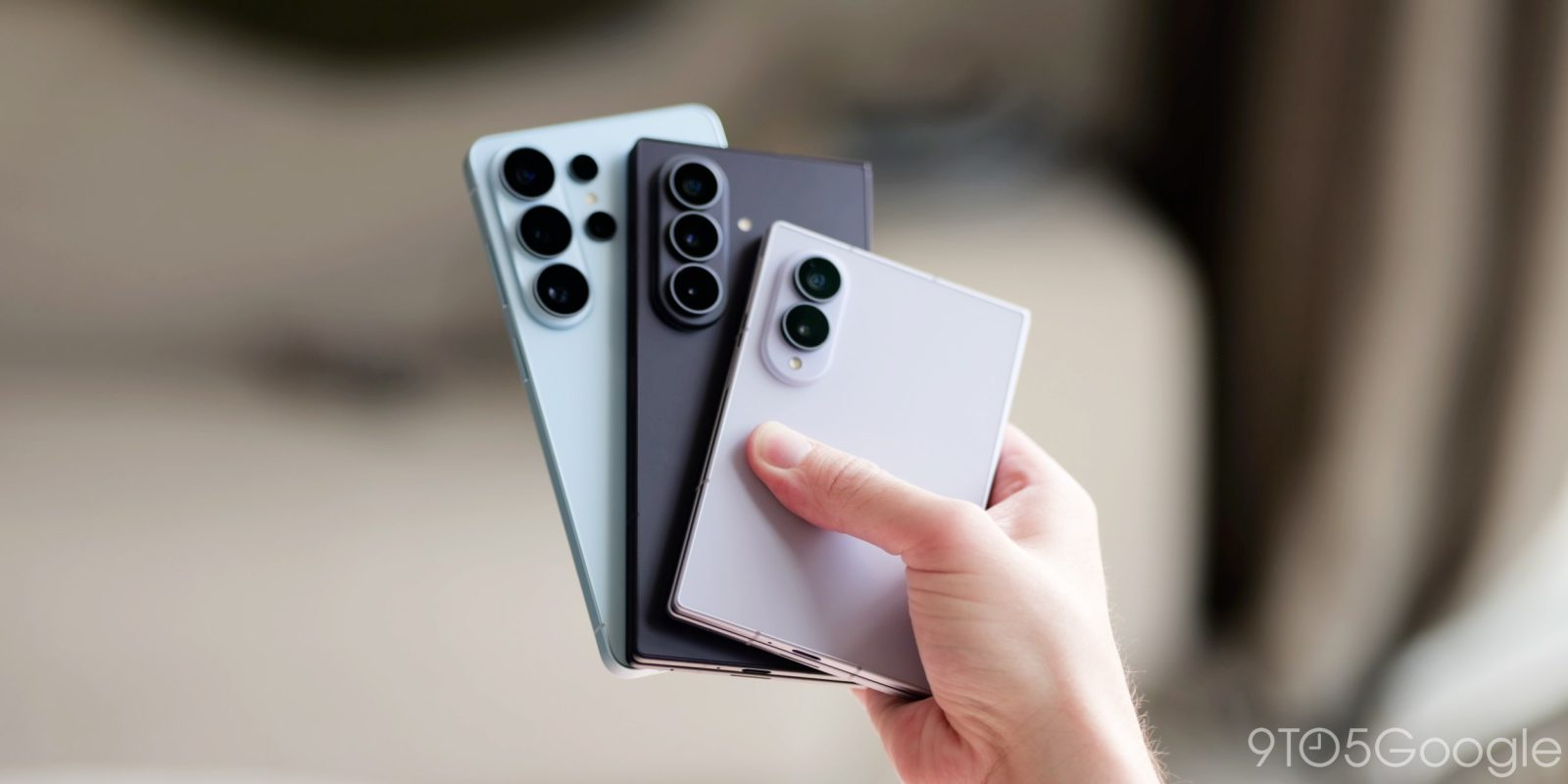
Samsung's latest Galaxy flagship smartphones are experiencing strong sales, a notable achievement given the ongoing industry-wide shortage of Random Access Memory (RAM), a critical component for mobile devices. This trend, detailed in a recent analysis, suggests that the predictable, iterative nature of Samsung's annual flagship updates might be a key factor contributing to their current success. The "RAMageddon" phenomenon, as it's being called, refers to a significant global constraint on the supply of DRAM and NAND flash memory chips, impacting production across the entire smartphone industry. Companies reliant on these components have faced challenges in meeting demand and maintaining competitive pricing.
Despite the broader market pressures, Samsung's approach to its Galaxy S and Z Fold/Flip series appears to resonate with consumers. Instead of radical year-over-year design overhauls, Samsung has focused on refining existing features and performance. This strategy may be particularly appealing in a market where consumers are increasingly cautious about major purchases due to economic uncertainties and the aforementioned supply chain issues. The consistent user experience and familiar design language of the Galaxy line could be perceived as a safer, more reliable choice compared to devices undergoing more drastic changes or those facing potential production delays.
The analysis posits that this steady, evolutionary strategy allows Samsung to better manage its supply chain and production schedules. By not requiring entirely new manufacturing processes or components that are in extremely high demand, Samsung may be able to secure a more stable supply of the necessary parts, including RAM, for its flagship devices. This contrasts with competitors who might be pushing the boundaries with cutting-edge, RAM-intensive features, thereby exacerbating their supply chain vulnerabilities during this period of scarcity.
Furthermore, the consistent performance and feature set across generations of Galaxy flagships mean that users upgrading from older models are likely to find the transition seamless. This familiarity reduces the perceived risk for consumers and reinforces brand loyalty. The company's ability to deliver these devices consistently, even in a challenging market, builds consumer confidence and contributes to sustained sales momentum. The success of Samsung's current strategy highlights a potential shift in consumer preference towards reliability and predictability over radical innovation, especially when faced with industry-wide disruptions.
Original source — read the full reporting at the publisher:
Read on 9to5GoogleGet the weekly AI digest
AI news + new model releases, weekly. Drafted by our agents, reviewed by humans.