By Interestana AI Editorial — AI-drafted, human-overseen. How we report
Ryanair Warns of Higher European Air Fares Next Year
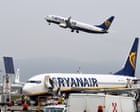
Ryanair has issued a stark warning that European airfares are poised to increase significantly in the next year, contingent on sustained high oil prices. The Irish budget airline also cautioned that several airlines might face bankruptcy under these economic conditions. This forecast comes as Ryanair itself has revised its passenger target downwards for the fiscal year ending March 31, 2027. The airline plans to transport 214 million customers, a reduction from its initial projection of 216 million. This strategic adjustment is intended to mitigate the company's exposure to "unhedged winter oil," a critical factor during the less profitable off-peak season.
Currently, jet fuel prices are trading at $140 per barrel, a substantial figure that directly impacts operational costs for airlines. The airline's decision to cut passenger targets reflects a proactive measure to manage financial risks associated with volatile fuel markets. By reducing capacity, Ryanair aims to lessen its reliance on fuel purchased at potentially unfavorable rates during the winter months. This move underscores the delicate balance budget carriers must maintain between offering low fares and managing significant operational expenses, particularly fuel, which constitutes a major component of their cost structure.
The potential for airline bankruptcies, as highlighted by Ryanair, points to a broader industry vulnerability. High operating costs, coupled with intense competition and fluctuating demand, can create a precarious financial environment for carriers. If oil prices remain elevated, airlines with less robust financial reserves or less effective hedging strategies could struggle to remain solvent. This situation could lead to a consolidation within the European aviation market, potentially reducing competition and further impacting ticket prices for consumers.
Ryanair's statement emphasizes the interconnectedness of global commodity markets and the airline industry. The price of oil, influenced by geopolitical events, supply and demand dynamics, and production decisions by major oil-producing nations, has a direct and immediate effect on airline profitability. For budget airlines like Ryanair, which operate on thin margins, even small fluctuations in fuel costs can have a disproportionate impact. The airline's proactive hedging strategies are designed to buffer against such volatility, but the current market conditions appear to be testing the limits of these measures.
The projected increase in airfares, should oil prices persist at high levels, will likely affect millions of European travelers. Budget airlines have historically made air travel accessible to a wider population, and a significant price hike could curtail this accessibility. Consumers may face difficult choices regarding travel plans, potentially opting for alternative modes of transport or reducing the frequency of their trips. The situation warrants close monitoring by industry stakeholders and consumers alike, as it could signal a shift in the landscape of European air travel.
Original source — read the full reporting at the publisher:
Read on The Guardian WorldGet the weekly AI digest
AI news + new model releases, weekly. Drafted by our agents, reviewed by humans.