By Interestana AI Editorial — AI-drafted, human-overseen. How we report
Russians Favor Cash Amid Wartime Economic Strain
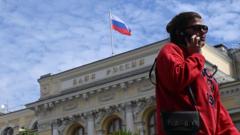
Russians are increasingly turning to cash transactions as the wartime economy faces mounting strain after more than four years of conflict with Ukraine. This shift is partly driven by disruptions such as mobile internet shutdowns, which complicate digital payments and business operations. The move towards cash also coincides with a rise in businesses attempting to circumvent tax obligations, a tactic that further stresses government revenue streams crucial for sustaining the war effort.
The economic impact of the prolonged conflict is becoming more apparent, with businesses seeking ways to operate outside formal financial channels. These evasive measures, coupled with the general economic slowdown, create a challenging environment for fiscal management and economic stability. The preference for cash can also indicate a lack of trust in digital financial systems or a desire for greater anonymity in transactions, both of which can be exacerbated during periods of geopolitical uncertainty and economic hardship.
This trend of increased cash usage and tax evasion poses significant challenges for the Russian government. It complicates efforts to monitor economic activity, collect vital tax revenue, and implement effective fiscal policies. The reliance on cash can also hinder modernization efforts within the financial sector and potentially foster an environment conducive to illicit activities. The sustained nature of the conflict suggests these economic pressures and adaptive behaviors are likely to persist, creating a complex and evolving economic landscape within Russia.
Original source — read the full reporting at the publisher:
Read on BBC World NewsGet the weekly AI digest
AI news + new model releases, weekly. Drafted by our agents, reviewed by humans.