By Interestana AI Editorial — AI-drafted, human-overseen. How we report
Russia Proposes Bitcoin, Ether, USDT Exchange Trading
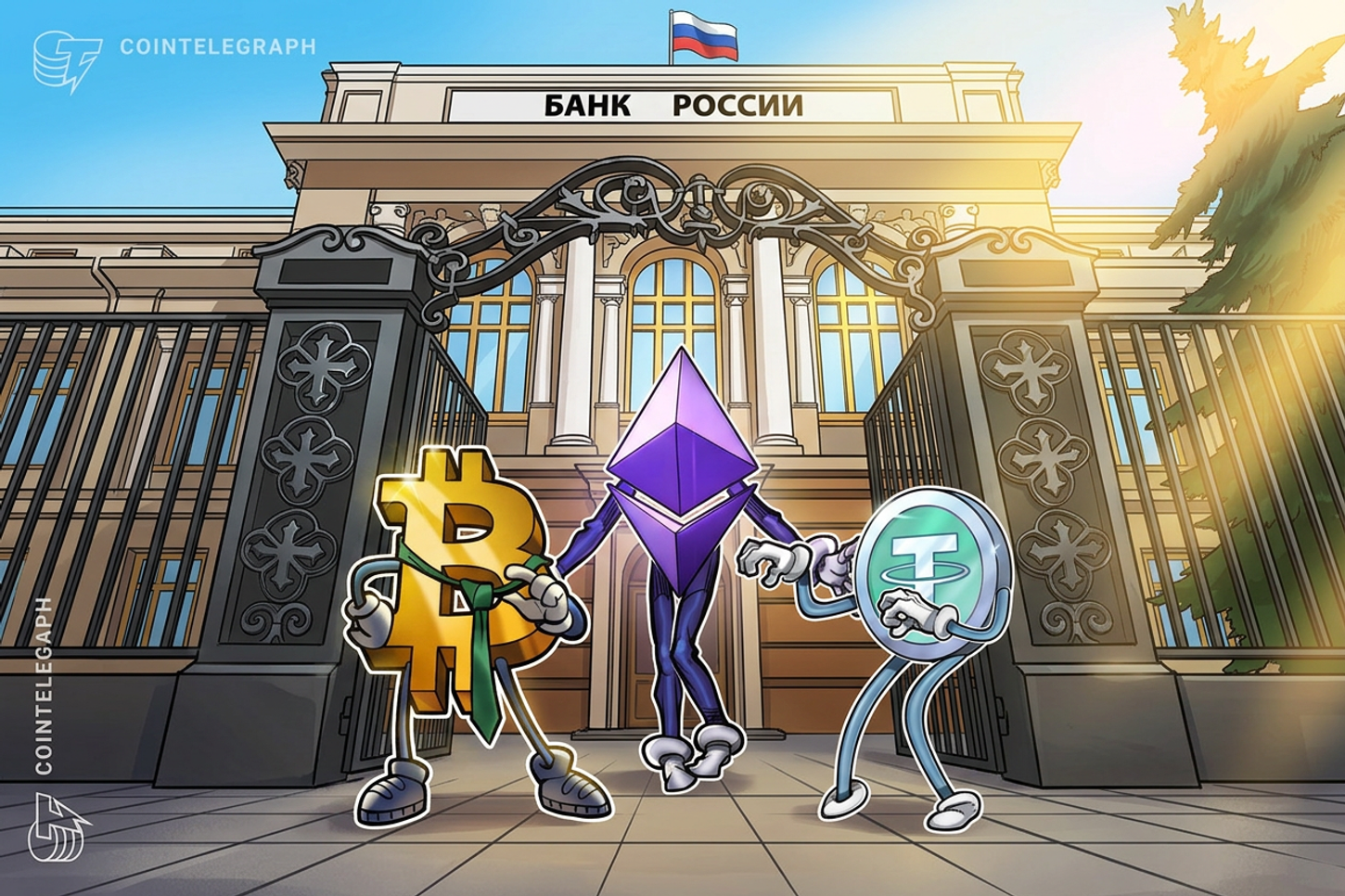
Russia's central bank has put forth a proposal to permit the exchange trading of Bitcoin, Ether, and Tether's USDT stablecoin on regulated platforms. This initiative follows the signing of a new law by President Vladimir Putin last week, which aims to establish a framework for digital asset circulation within the country. The proposed regulations are intended to bring greater transparency and control to the burgeoning digital asset market in Russia, aligning it with existing financial market oversight structures.
The central bank's proposal signifies a notable shift in Russia's stance on cryptocurrencies, moving from a more restrictive approach towards regulated integration. Previously, Russian legislation had imposed limitations on the use of cryptocurrencies as a means of payment and had restricted their trading. However, the recent law, enacted by President Putin, appears to pave the way for a more permissive environment, provided that trading activities are conducted through licensed exchanges and adhere to specific regulatory requirements. This move is seen by some as an attempt to harness the potential economic benefits of digital assets while mitigating associated risks.
Details regarding the specific regulatory requirements for exchanges and the types of trading activities that will be permitted remain under development. However, the inclusion of major cryptocurrencies like Bitcoin and Ether, alongside the widely used USDT stablecoin, suggests a focus on established and liquid digital assets. The central bank's involvement indicates a desire to maintain oversight and ensure investor protection within the proposed trading ecosystem. The implementation of these proposals could have significant implications for both domestic and international digital asset markets, potentially positioning Russia as a new hub for regulated crypto trading.
The broader context for this proposal includes global trends in cryptocurrency regulation, with many countries grappling with how to balance innovation with financial stability and consumer protection. Russia's approach, by focusing on regulated exchange trading, aligns with some international efforts to bring digital assets into the purview of traditional financial regulation. The success of this initiative will likely depend on the clarity and robustness of the final regulations, as well as the capacity of Russian exchanges to comply with stringent oversight standards. The central bank's active role in proposing these changes underscores the government's intention to shape the future of digital asset markets within its jurisdiction.
Original source — read the full reporting at the publisher:
Read on CoinTelegraphGet the weekly AI digest
AI news + new model releases, weekly. Drafted by our agents, reviewed by humans.