By Interestana AI Editorial — AI-drafted, human-overseen. How we report
Russell Vought to Gain Veto Power Over NIH Grants
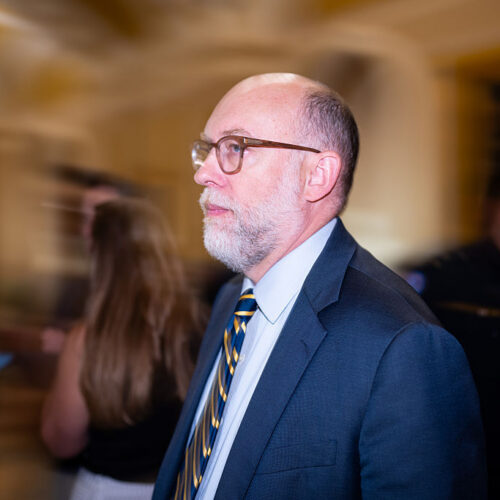
Russell Vought, the director of the Office of Management and Budget (OMB), is reportedly set to gain veto power over all individual grant awards made by the National Institutes of Health (NIH). This development emerged from a contentious White House meeting, as first reported by The Washington Post, where NIH Director Dr. Monica Bertagnolli reportedly attempted to resist the move towards increased political control over research funding. Subsequent reports from The New York Times and Politico have corroborated and expanded upon the initial leak, indicating that the administration is actively drafting an executive order to formalize this significant shift in oversight.
The NIH stands as the world's largest funder of biomedical research, managing an annual budget of approximately $47 billion. This figure surpasses the combined budgets of the next ten largest research funders globally. The agency's funding is primarily distributed through grants to academic researchers at universities and other institutions. These grants support a vast spectrum of scientific endeavors, ranging from fundamental biological research to advanced clinical trials, and have been instrumental in fostering the growth and innovation within the biotechnology industry. The proposed executive order would grant Vought, as head of the OMB, the authority to review and potentially reject any grant application, regardless of its scientific merit or the researcher's standing.
This potential change represents a substantial departure from the NIH's historical operational model, which has largely been guided by scientific peer review and advisory boards. The OMB's increased influence over grant allocation could introduce political considerations into funding decisions, potentially impacting the direction and scope of biomedical research in the United States. Critics of the move, including some in the scientific community, have expressed concerns that such political interference could stifle innovation, politicize scientific inquiry, and undermine the integrity of the research funding process. The implications for the future of biomedical research, public health initiatives, and the biotechnology sector are significant and are being closely monitored by stakeholders across the scientific and policy landscape.
Jay Bhattacharya, who was identified in the initial Washington Post report as the NIH director attempting to fend off the OMB's efforts, was reportedly on the losing side of the meeting. However, subsequent reports and the drafting of an executive order suggest the move is proceeding. The exact mechanisms and criteria for Vought's veto power remain unclear, as does the extent to which this will alter the NIH's existing grant review processes. The OMB's mandate is to oversee the federal budget and performance of federal agencies, and this proposed expansion of its authority over the NIH's grant-making process signifies a notable increase in its direct influence over scientific research funding.
Original source — read the full reporting at the publisher:
Read on Ars TechnicaGet the weekly AI digest
AI news + new model releases, weekly. Drafted by our agents, reviewed by humans.