By Interestana AI Editorial — AI-drafted, human-overseen. How we report
Rural America Faces Worsening Maternal Health Crisis
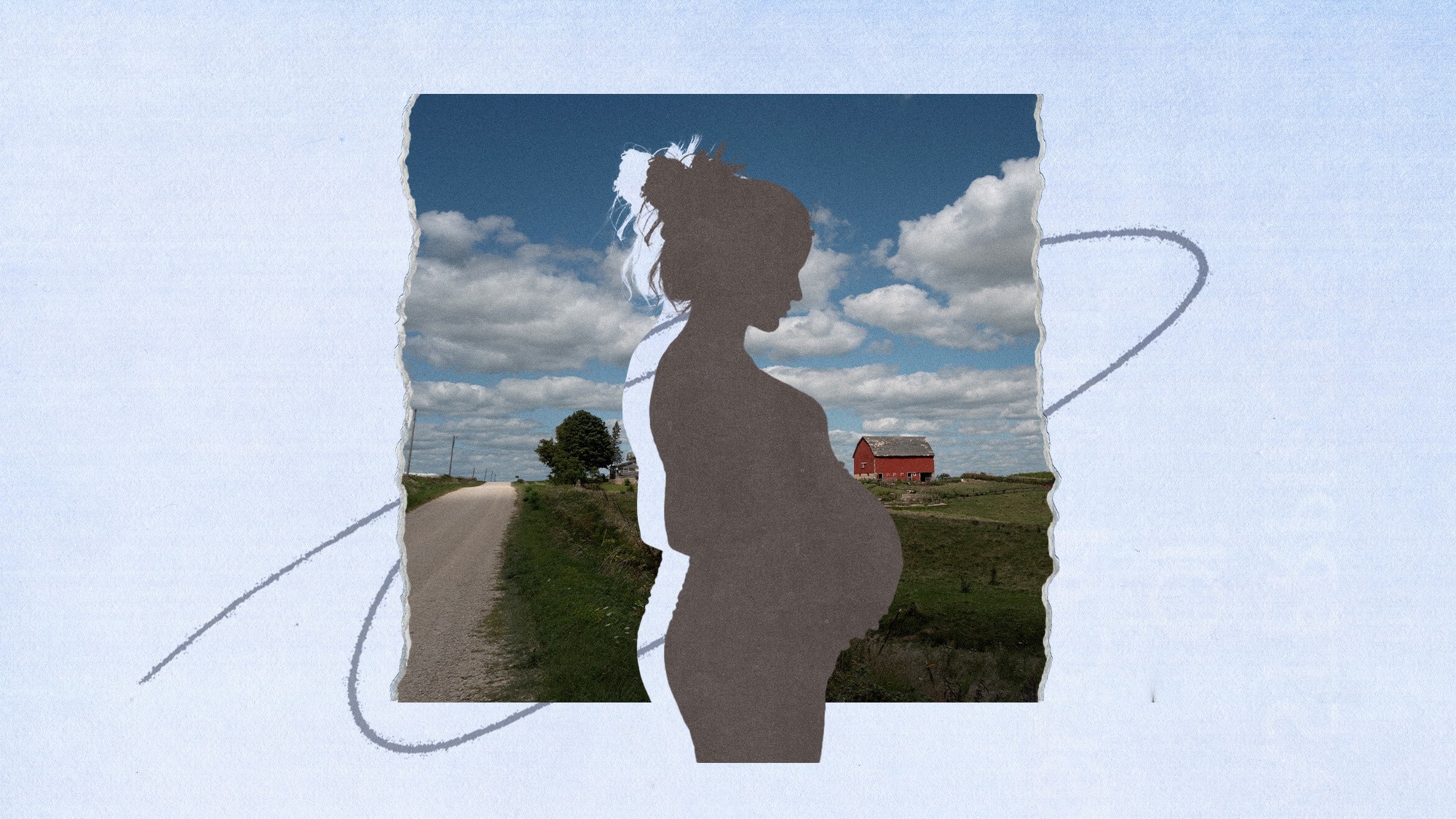
Rural America is confronting an escalating maternal health crisis, with projections indicating a significant worsening of care accessibility and outcomes. This deterioration is driven by a confluence of factors, including a projected decrease in available healthcare providers, an increase in the distances expectant mothers must travel for care, and a heightened likelihood of tragic results in high-risk pregnancies. The situation is particularly acute in rural areas where obstetric services have already been declining for years. Many rural hospitals have ceased offering labor and delivery services, forcing residents to travel hundreds of miles to access prenatal and postnatal care. This trend is expected to accelerate, further straining an already fragile system.
The shrinking availability of maternal care providers in rural regions is a primary concern. Obstetricians and gynecologists are increasingly concentrated in urban and suburban areas, leaving vast rural expanses underserved. This shortage is exacerbated by the aging rural physician population and difficulties in recruiting and retaining healthcare professionals in these areas. Consequently, pregnant individuals in rural communities face longer wait times for appointments, reduced access to specialized obstetric care, and a greater reliance on general practitioners who may not have the same level of expertise in managing complex pregnancies. The lack of readily available emergency obstetric services means that complications can quickly become life-threatening.
Furthermore, the economic realities of rural healthcare contribute to the crisis. Rural hospitals often operate on thin margins, and the closure of obstetric units, which can be less profitable than other services, is a common occurrence. This closure not only removes a critical service but also impacts the hospital's overall viability, potentially leading to further service reductions or outright closure. The financial strain on remaining facilities makes it challenging to invest in updated equipment, attract specialized staff, or offer competitive salaries, perpetuating a cycle of decline. The increasing travel distances for care also impose significant financial and logistical burdens on expectant mothers and their families, including costs for transportation, accommodation, and lost wages.
The consequences of this worsening crisis are dire. Higher rates of maternal mortality and morbidity are anticipated, particularly among Black and Indigenous women who already experience disproportionately worse outcomes. The lack of timely and appropriate care increases the risks of conditions such as preeclampsia, postpartum hemorrhage, and sepsis, which can have severe or fatal consequences. The emotional and psychological toll on rural families facing these challenges is also substantial, adding to the stress of pregnancy and childbirth. Addressing this complex issue will require multifaceted solutions, including policy changes to incentivize rural healthcare provision, increased investment in telehealth services for remote consultations and monitoring, and support for community-based maternal health initiatives.
Original source — read the full reporting at the publisher:
Read on The AtlanticGet the weekly AI digest
AI news + new model releases, weekly. Drafted by our agents, reviewed by humans.