By Interestana AI Editorial — AI-drafted, human-overseen. How we report
Royal Navy Tracked Russian Vessels for Three Days
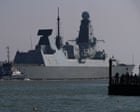
The Royal Navy conducted an intensive 72-hour operation last week to track four Russian vessels and a helicopter as they transited through United Kingdom waters. The operation involved continuous monitoring via radar as the Russian ships navigated from the North Sea into the English Channel. This sustained surveillance highlights the ongoing efforts by the Royal Navy to maintain maritime security and monitor foreign naval activity within its territorial waters and adjacent strategic areas. The duration of the operation, spanning three full days, underscores the complexity and resource commitment required for such maritime surveillance missions. The specific details of the Russian vessels' purpose or destination were not disclosed, but their passage through these key waterways necessitates close observation by naval forces. The North Sea and the English Channel are critical maritime routes for both commercial shipping and naval movements, making their security a priority for the UK. The Royal Navy's vigilance in these areas is a standard procedure for identifying and tracking any vessels of interest, particularly those belonging to foreign navies, to ensure national security and deter potential threats. This incident is part of a broader pattern of increased Russian naval activity in European waters, which has been a subject of concern for NATO allies. The UK, as a prominent NATO member and maritime power, plays a significant role in monitoring these activities. The operation involved the deployment of multiple assets, including vessels and a helicopter, to ensure comprehensive coverage and tracking capabilities. The use of radar technology indicates a sophisticated approach to monitoring, allowing for continuous observation even in challenging weather or visibility conditions. The commitment of three days to this single tracking operation suggests a high level of strategic importance placed on monitoring the movements of these specific Russian assets. The Royal Navy's proactive stance in monitoring foreign naval movements is crucial for maintaining situational awareness in its area of responsibility and for responding effectively to any potential security challenges. The operation serves as a reminder of the constant need for maritime surveillance and defense in an evolving geopolitical landscape. The transparency of reporting such operations, even after they have concluded, aims to inform the public about the ongoing efforts to safeguard national interests at sea. The detailed timeline of 72 hours emphasizes the sustained nature of the surveillance, indicating that the Russian vessels were under observation for their entire passage through the monitored zones. This level of persistent tracking requires significant planning and coordination among naval units. The involvement of a helicopter alongside surface vessels likely provided an aerial perspective, enhancing the tracking capabilities and providing real-time intelligence on the movements and composition of the Russian contingent. The operation underscores the UK's commitment to maritime domain awareness and its readiness to respond to any perceived incursions or unusual activities within its maritime borders. The strategic importance of the North Sea and the English Channel as global shipping lanes and naval transit points further amplifies the significance of such monitoring operations.
Original source — read the full reporting at the publisher:
Read on The Guardian WorldGet the weekly AI digest
AI news + new model releases, weekly. Drafted by our agents, reviewed by humans.