By Interestana AI Editorial — AI-drafted, human-overseen. How we report
Romania Summons Russia Ambassador After Third Drone Downed
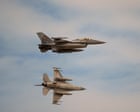
Romania has summoned Russia's ambassador to the country following the interception and downing of a third drone within its airspace since Friday, July 26, 2026. The latest incident involved an F-16 fighter jet from the Romanian Air Force which intercepted and neutralized a drone operating over the Black Sea. This action underscores a significant escalation in airspace security concerns for the North Atlantic Treaty Organization (NATO) member state, which shares a border with Ukraine.
Prior to Friday, Romania had not reported shooting down any drones despite experiencing frequent incursions since Russia's full-scale invasion of Ukraine commenced in February 2022. The repeated drone incidents, particularly those originating from or transiting through areas near the conflict zone, have heightened Romania's vigilance and prompted a more assertive response from its military. The Ministry of National Defence confirmed the F-16 interception, emphasizing the operational readiness of its air forces to protect national airspace.
The summoning of the Russian ambassador signals Romania's formal diplomatic protest against these repeated violations. Such actions are typically interpreted as a breach of international norms and potentially a deliberate provocation, especially given Romania's status as a NATO member. The alliance's collective defense pact, Article 5, means an attack on one member is considered an attack on all, making any perceived aggression near its borders a matter of significant concern for the entire alliance. While the drones' specific origins or intended targets have not been detailed, their presence in Romanian airspace is viewed as a direct challenge to national sovereignty and regional security.
This series of events places Romania at the forefront of NATO's efforts to monitor and deter potential threats emanating from the ongoing conflict in Ukraine. The Romanian government's response, including the diplomatic protest and military actions, reflects a broader strategy within NATO to maintain a strong defensive posture. The frequency of these incursions, escalating from zero interceptions to three within a short period, suggests a potential shift in tactics or increased activity by actors involved in the conflict, necessitating continuous adaptation of defense strategies by Romania and its allies.
Original source — read the full reporting at the publisher:
Read on The Guardian WorldGet the weekly AI digest
AI news + new model releases, weekly. Drafted by our agents, reviewed by humans.