By Interestana AI Editorial — AI-drafted, human-overseen. How we report
Romania Shuts Nuclear Plant Due to Low Danube River Levels
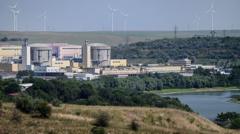
Romania's only nuclear power plant, the Cernavodă facility, has been temporarily shut down due to critically low water levels in the Danube River. This unprecedented measure, reported on August 15, 2024, is a direct consequence of a severe heatwave causing a significant drop in the river's water volume. The Cernavodă plant, operated by Societatea Națională Nuclearelectrica (SNN), is a vital component of Romania's energy infrastructure, responsible for approximately 20% of the nation's electricity production. The plant relies on the Danube River for cooling its nuclear reactors, a process essential for safe and continuous operation. With water levels reaching historic lows, the plant's operators determined that continuing operations posed an unacceptable risk.
Officials have stated that the Cernavodă plant is not expected to resume operations within the next 10 days, indicating the severity of the situation and the time required for potential recovery. The shutdown has immediate implications for Romania's electricity grid, necessitating the sourcing of power from alternative, potentially more expensive or less stable, sources. This event highlights the vulnerability of critical infrastructure to the impacts of climate change, particularly extreme weather events like prolonged heatwaves. The Danube River, one of Europe's longest and most important waterways, has experienced significant water level declines across multiple countries this summer, affecting shipping, agriculture, and energy production.
The Cernavodă Nuclear Power Plant consists of two CANDU 6 reactors, which began commercial operation in 1996 and 2007, respectively. These reactors are designed to provide a stable and significant portion of Romania's baseload electricity. The reliance on the Danube for cooling is a standard practice for many nuclear power plants globally, but it also creates a specific vulnerability to hydrological conditions. The current situation underscores the need for robust contingency planning and potentially for investments in alternative cooling methods or diversified energy sources to mitigate the risks associated with climate-induced water scarcity. The Romanian government and SNN are monitoring the situation closely and are working to ensure energy security during this period of reduced capacity.
The prolonged heatwave affecting Southeastern Europe has led to record-breaking temperatures and widespread drought conditions. This has not only impacted the Danube River but also other major water bodies and agricultural output across the region. The shutdown of the Cernavodă plant serves as a stark reminder of the interconnectedness of environmental factors and critical industrial operations. As climate change intensifies, similar challenges may arise for other energy facilities that depend on natural water resources, prompting a broader re-evaluation of infrastructure resilience and adaptation strategies within the energy sector. The economic and social consequences of such shutdowns can be substantial, affecting industrial consumers, households, and the overall stability of the national grid.
Original source — read the full reporting at the publisher:
Read on BBC World NewsGet the weekly AI digest
AI news + new model releases, weekly. Drafted by our agents, reviewed by humans.