By Interestana AI Editorial — AI-drafted, human-overseen. How we report
Romania Shuts Last Nuclear Reactor Due to Record Low Danube
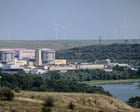
Romania has been compelled to shut down the final operational reactor at its sole nuclear power plant, Cernavodă, due to record low water levels in the Danube River. This unprecedented measure, driven by a severe drought impacting the region, poses immediate challenges for neighboring Moldova, which depends on electricity imports from Romania to mitigate its own power shortages. The shutdown highlights the growing vulnerability of energy infrastructure to climate change impacts, particularly extreme weather events like prolonged heatwaves and droughts.
The Cernavodă nuclear power plant, Romania's only facility of its kind, relies on the Danube River for cooling water. As the river's water levels have fallen to historic lows, the plant's operational capacity has been compromised, necessitating the shutdown of its last active reactor. This event underscores the critical role of water resources in maintaining the stability of nuclear energy production and broader energy grids. The situation is compounded by a broader energy crisis unfolding across Europe, exacerbated by a new summer heatwave that is increasing electricity demand.
Neighboring Moldova is particularly affected by this development. The country relies significantly on power imported from Romania to compensate for its own domestic electricity deficits. The cessation of power generation from Cernavodă will likely intensify Moldova's energy challenges, potentially leading to increased electricity costs or the need to secure alternative, possibly more expensive, power sources. The interconnectedness of European energy markets means that disruptions in one country can have ripple effects across the region, emphasizing the need for resilient and diversified energy strategies.
This incident serves as a stark reminder of the interconnectedness between environmental conditions and critical infrastructure. The drought affecting the Danube River is not an isolated event but part of a larger pattern of climate change impacts that are increasingly threatening energy security. European nations are facing mounting pressure to adapt their energy systems to be more resilient to extreme weather, including investing in renewable energy sources and improving grid infrastructure to better manage supply and demand fluctuations. The long-term implications of such events necessitate strategic planning and investment to ensure energy stability in the face of a changing climate.
Original source — read the full reporting at the publisher:
Read on The Guardian WorldGet the weekly AI digest
AI news + new model releases, weekly. Drafted by our agents, reviewed by humans.