By Interestana AI Editorial — AI-drafted, human-overseen. How we report
Romania Blasts Rock to Divert Danube Water to Nuclear Reactor
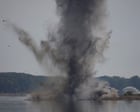
Romanian naval forces executed a controlled explosion on August 3, 2026, to facilitate the redirection of cooling water from the severely drought-affected Danube River to the nation's sole operational nuclear reactor. This emergency measure was undertaken as neighboring Hungary announced it might sustain power generation from its only nuclear plant for an additional two days. Both Hungary and Romania have been compelled to cease operations at nuclear reactors that rely on the Danube for cooling, marking the first instance of such shutdowns due to record-low water levels. These developments intensify concerns about a potential energy crisis gripping the region. Romania has declared a nationwide state of emergency for the entire month of August, directly attributed to a significant decline in electricity production. This decline was triggered by the historically low levels of the Danube River, which led to the shutdown of the Cernavodǎ nuclear plant. The Cernavodǎ plant, located in southeastern Romania, is the country's sole nuclear power facility and is crucial for its energy supply. The Danube, Europe's second-longest river, has experienced unprecedented low water levels across multiple countries this summer, impacting shipping, tourism, and critical infrastructure like power generation. The drought conditions have exposed submerged historical artifacts and even World War II-era munitions along the riverbed, underscoring the severity of the water shortage. The situation highlights the vulnerability of energy infrastructure to climate change impacts and extreme weather events. The decision to use explosives, while drastic, demonstrates the critical need to maintain cooling water flow to prevent catastrophic failures at the nuclear facility. The Romanian government's declaration of a state of emergency indicates the seriousness with which the energy situation is being treated, with potential implications for industrial output and public services. Hungary's Paks Nuclear Power Plant, the country's only nuclear facility, is also facing operational challenges due to the low water levels. While Hungary has not resorted to explosive measures, the reduced capacity at Paks signifies a broader regional energy strain. The ongoing drought and its impact on the Danube are expected to have long-term consequences for energy security and economic stability in Eastern Europe.
Original source — read the full reporting at the publisher:
Read on The Guardian WorldGet the weekly AI digest
AI news + new model releases, weekly. Drafted by our agents, reviewed by humans.