By Interestana AI Editorial — AI-drafted, human-overseen. How we report
2,100-Year-Old Roman Shipwreck Found Off Sicily Coast
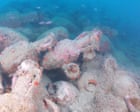
A 2,100-year-old Roman shipwreck, believed to have been primarily used for transporting wine, has been discovered approximately three miles off the coast of Mazara del Vallo in Sicily. The vessel was found at a depth of about 46 meters (151 feet) and was laden with approximately 500 amphorae, which are ancient two-handled ceramic jars characterized by a narrow neck. This significant find has been lauded by archaeologists as one of the most important underwater archaeological discoveries in recent years. The discovery was made possible through the efforts of Italy's cultural heritage police, the Carabinieri, who conducted an investigation utilizing divers and underwater cameras. Their investigation was initiated after receiving a tip-off from local fishermen, highlighting the crucial role of community observation in uncovering historical artifacts. The Carabinieri are responsible for protecting Italy's rich cultural heritage, including its extensive underwater archaeological sites. Sicily, an island with a long history of maritime trade and cultural exchange, has been a focal point for numerous archaeological discoveries, both on land and beneath its surrounding waters. The presence of such a well-preserved shipwreck offers a unique window into Roman maritime trade routes, shipbuilding techniques, and the types of goods that were transported across the Mediterranean Sea during that era. Amphorae, in particular, are invaluable to archaeologists as they often contain residues that can reveal information about the contents they once held, such as wine, olive oil, or garum (a fermented fish sauce). The analysis of these amphorae could provide detailed insights into the specific trade networks and economic activities of the Roman period in this region. The depth at which the wreck was found, 46 meters, suggests it may have sunk due to adverse weather conditions or navigational errors, common perils for ancient mariners. The preservation of the ship and its cargo at this depth is often aided by the lack of strong currents and the seabed conditions. Further research and excavation are expected to yield more detailed information about the ship's origin, its intended destination, and the specific origin of the amphorae and their contents. This discovery underscores the vast amount of history that remains submerged beneath the world's oceans, awaiting exploration and contributing to our understanding of past civilizations. The Italian Ministry of Culture and the Superintendency of the Sea are expected to oversee the next phases of the investigation, which may include artifact recovery and detailed site mapping. The specific type of Roman vessel and the origin of the amphorae will be key areas of focus for the ongoing archaeological assessment. The discovery is a testament to the enduring legacy of Roman civilization and its profound impact on the Mediterranean world.
Original source — read the full reporting at the publisher:
Read on The Guardian WorldGet the weekly AI digest
AI news + new model releases, weekly. Drafted by our agents, reviewed by humans.