By Interestana AI Editorial — AI-drafted, human-overseen. How we report
Grocery Prices Follow 'Rockets and Feathers' Pattern
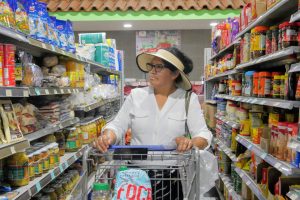
U.S. grocery prices have followed a "rockets and feathers" pattern, characterized by rapid increases and slow decreases, a phenomenon that has frustrated consumers experiencing the sharpest food price inflation in 50 years. While food price inflation peaked at 11.4% in 2022, prices have not subsequently declined. The U.S. Department of Agriculture projects a 2.7% rise in food-at-home prices for the current year, a rate higher than observed in 2024 and 2025, but close to the historical average of 2.6%. This sustained increase is attributed to the compounding effects of post-pandemic price shocks.
Consumers are responding to these persistent price hikes by altering their purchasing habits. A joint study by Bain & Co. and NielsenIQ revealed a decline in the number of items purchased at U.S. grocery stores during the latter half of last year, with a more significant drop beginning in February of this year. Factors influencing this reduced spending include high gas prices, increased use of GLP-1 medications, and reductions in government food assistance programs.
The shift in consumer behavior is also leading to changes in market share among grocery retailers. In the second quarter of this year, discount retailers such as Costco, Walmart, and Aldi have gained market share at the expense of traditional grocers like Kroger and Albertsons, according to data from market research firm Numerator. Many shoppers are actively seeking deals and comparing prices across different stores to manage their grocery budgets. This trend indicates a growing consumer sensitivity to price and a willingness to switch brands and retailers to find more affordable options.
Original source — read the full reporting at the publisher:
Read on FortuneGet the weekly AI digest
AI news + new model releases, weekly. Drafted by our agents, reviewed by humans.