By Interestana AI Editorial — AI-drafted, human-overseen. How we report
Astra Targets Early 2027 for Launch Service Return
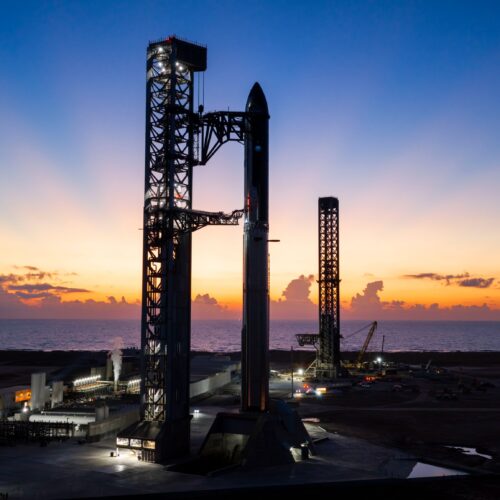
Astra has set an ambitious target for the early part of 2027 to reintroduce its launch services, signaling a potential shift in the landscape of affordable space access. This announcement comes amidst broader industry discussions about the future cost and availability of rocket launches, particularly as SpaceX's Falcon 9 operations for commercial missions are anticipated to conclude within the next two to three years. The impending reduction in Falcon 9 availability is prompting satellite operators to seek alternative launch providers and is leading some emerging companies to anticipate a rise in launch costs. Firefly, another launch provider, has indicated expectations that the cost of space launches will increase, suggesting that customers may have become accustomed to the rapid and reliable service offered by SpaceX's Falcon 9 at prices that may not be sustainable long-term. This evolving market dynamic underscores the strategic importance of Astra's planned return.
In parallel, the global launch industry is observing other developments, including the delay of French startup HyPrSpace's Baguette One suborbital rocket, now slated for its inaugural flight in 2027. The Baguette One is a 10-meter, single-stage rocket designed to carry payloads of up to 300 kg. Its propulsion system is a hybrid design, utilizing liquid oxygen in conjunction with solid polyethylene fuel. This delay, reported by European Spaceflight, highlights the technical and logistical challenges inherent in developing and deploying new launch vehicles, even for suborbital missions. The Rocket Report, in its ninth edition, covers a spectrum of launch vehicles, from small to heavy-lift rockets, and provides a forward look at upcoming launches. The newsletter aims to keep industry stakeholders informed about the dynamic and often unpredictable nature of spaceflight operations.
The potential end of SpaceX's dominant Falcon 9 commercial launch era creates a significant market vacuum. Satellite operators, who have relied on the cost-effectiveness and high flight rate of the Falcon 9, are now facing uncertainty regarding future launch options and pricing. This situation presents an opportunity for companies like Astra and Firefly to capture market share, but also necessitates strategic planning to meet the demand for reliable and affordable launch services. The industry's transition will likely involve a period of adjustment, with potential increases in launch costs and a diversification of launch providers. Astra's early 2027 target suggests a deliberate approach to re-entering the market with a refined strategy, potentially addressing the anticipated cost increases and service demands.
The broader implications of these shifts extend to various sectors reliant on satellite technology, including telecommunications, Earth observation, and scientific research. The cost and accessibility of launch services directly impact the pace of innovation and deployment in these fields. As the industry navigates this transition, the success of companies like Astra in re-establishing their launch capabilities will be crucial in shaping the future of space exploration and commercialization. The anticipation of higher launch costs, as suggested by Firefly, underscores the need for continued investment in launch technology and infrastructure to maintain the growth trajectory of the space economy.
Original source — read the full reporting at the publisher:
Read on Ars TechnicaGet the weekly AI digest
AI news + new model releases, weekly. Drafted by our agents, reviewed by humans.