By Interestana AI Editorial — AI-drafted, human-overseen. How we report
China Eyes SpaceX Raptor 3 Tech; ULA's Dominance Fades as Avio Sees Falcon 9 Customer Influx
Edition 9.11 of the Rocket Report brings to light significant shifts in the global space launch landscape. A key development is China's expressed interest in acquiring SpaceX's advanced Raptor 3 engine technology. The Raptor 3 is a highly sophisticated, full-flow staged combustion methalox rocket engine developed by SpaceX for its Starship program. This engine represents a leap in propulsion efficiency and power, crucial for ambitious deep-space missions. China's pursuit of this technology signals its intent to accelerate its own space capabilities and potentially close the gap with leading spacefaring nations. This interest underscores the technological prowess of SpaceX and its impact on international space competition.
In parallel, SpaceX is gearing up for a critical test flight of its Starship vehicle. Starship, a fully reusable super heavy-lift launch system, is designed to revolutionize space transportation, enabling missions to the Moon, Mars, and beyond. The success of this upcoming test is paramount for SpaceX's long-term vision of making humanity a multi-planetary species and for establishing a new era of cost-effective heavy-lift capabilities.
The report also delves into the diminishing influence of the United Launch Alliance (ULA), a company that once held a near-monopoly on U.S. government satellite launches. ULA, a joint venture formed in 2006 by aerospace giants Boeing and Lockheed Martin, historically relied on expendable launch vehicles like the Atlas V and Delta IV. However, the space industry's rapid pivot towards reusable rocket technology, spearheaded by SpaceX, has severely impacted ULA's market position. The article questions the strategic direction of ULA, particularly its continued reliance on expendable rockets in an increasingly competitive and cost-sensitive market.
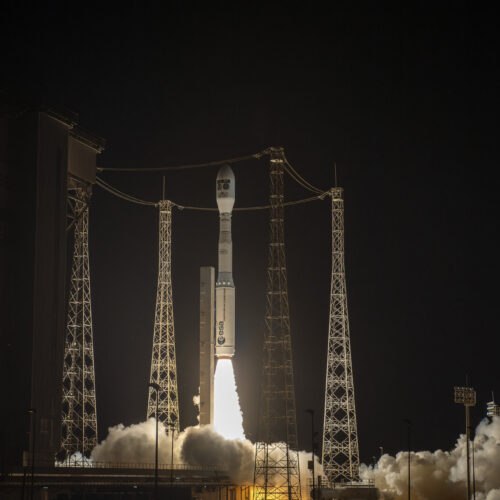
Further illustrating the market dynamics, Italian launch services provider Avio is experiencing a significant surge in demand. According to European Spaceflight, Avio is attracting customers who are unable to secure launch opportunities with SpaceX. Avio CEO Giulio Ranzo stated during a September 10 earnings call that SpaceX has become a "captive" provider, meaning its capacity is highly sought after and limited for external commercial clients. This situation arises because SpaceX has recently ceased accepting new orders for commercial Falcon 9 launches, likely to prioritize its own burgeoning Starlink constellation deployment and other internal projects. This bottleneck in SpaceX's Falcon 9 schedule creates a valuable opening for companies like Avio to capture market share by offering alternative launch solutions to these displaced customers, thereby expanding their own operational footprint and revenue streams. The Rocket Report aims to provide a comprehensive overview of small-, medium-, and heavy-lift rockets, alongside a forward-looking perspective on the next three scheduled launches.
Original source — read the full reporting at the publisher:
Read on Ars TechnicaGet the weekly AI digest
AI news + new model releases, weekly. Drafted by our agents, reviewed by humans.