By Interestana AI Editorial — AI-drafted, human-overseen. How we report
Robots Evolve Beyond Sci-Fi Fears Into Industrial Reality
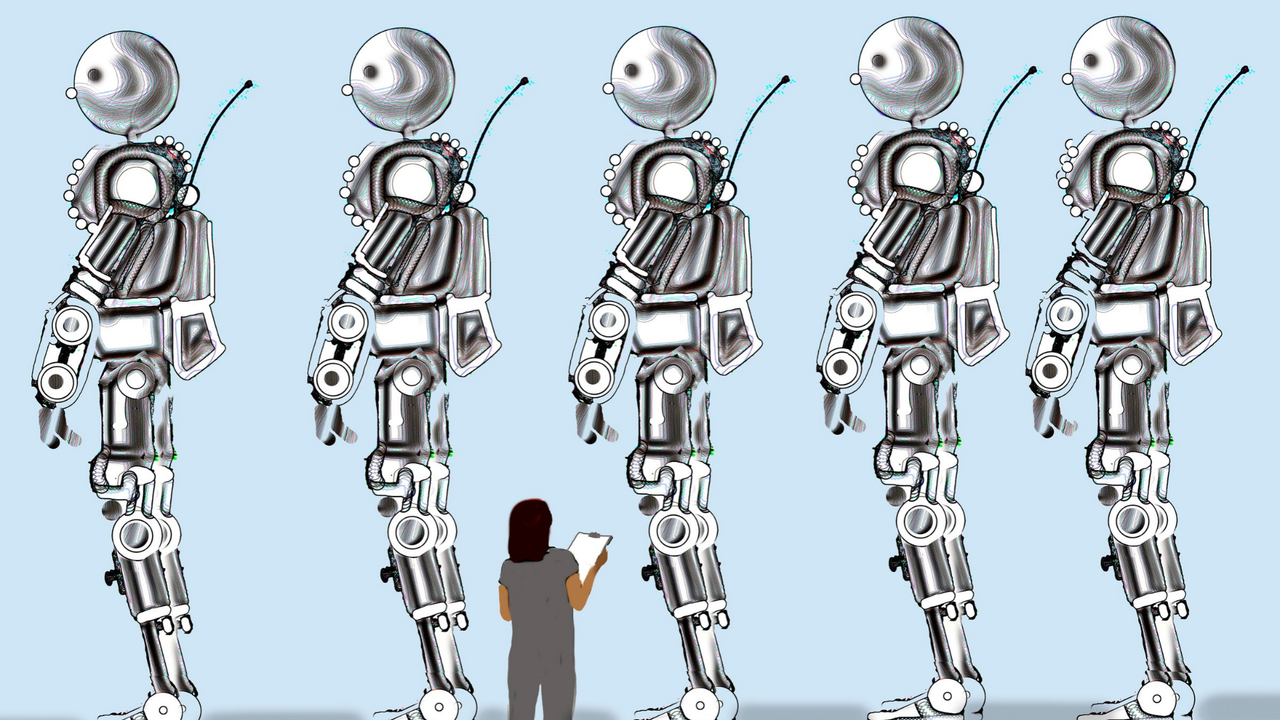
The perception of robots has been heavily influenced by popular culture, which frequently depicts them as hostile entities that turn on their creators. Early cinematic portrayals, such as Georges Méliès' 1897 film "Gugusse et l’Automate," established a narrative of machines rebelling against their makers. This theme persisted through iconic characters like the T-1000 in "Terminator 2" and the NS-5s in "I, Robot," reinforcing societal anxieties about artificial intelligence. While benevolent robots like WALL-E and C-3PO also exist in fiction, the inherent negativity bias in human psychology amplifies attention towards perceived threats and loss of control, making hostile robot narratives more impactful. This cultural conditioning has compounded over more than a century, shaping public imagination regarding the potential dangers of advanced machinery.
However, the reality of robotics is rapidly diverging from these fictional scenarios. In recent years, there has been a significant surge in investment in robotics and "physical AI." Global funding in this sector escalated dramatically, growing from approximately $4 billion in 2019 to $26 billion by 2025. This substantial financial influx underscores a growing commitment to developing and deploying robotic technologies across various industries. China is at the forefront of this industrial revolution, actively transitioning humanoid robots from demonstration phases into factory settings. Morgan Stanley projects that annual Chinese shipments of these advanced robots could reach an impressive 446,000 units by the year 2030, indicating a rapid scaling of production and adoption.
It is crucial to recognize that the definition of a robot extends beyond anthropomorphic designs. Many robotic systems have been integrated into industrial processes for decades. The automotive industry, for instance, began incorporating robots in the 1960s, and by the 1980s, they were considered a fundamental production technology. More recently, domestic robots like vacuum cleaners have become commonplace in households, demonstrating the widespread acceptance of automated assistance. Despite these familiar examples, the sight of a large industrial arm performing repetitive tasks on an assembly line or a domestic robot cleaning floors evokes a different psychological response compared to a machine that closely mimics human appearance and behavior. This distinction highlights a critical juncture where our understanding and definition of robots must broaden as human-like robots become increasingly visible and integrated into society.
Companies like Boston Dynamics have played a role in showcasing advanced robotic capabilities through viral internet content, featuring bipedal robots performing complex maneuvers such as running, jumping, and executing backflips. While these demonstrations often serve as entertainment and highlight engineering prowess, they also contribute to the growing visibility of sophisticated robotic systems. This increased presence, coupled with substantial investment and industrial adoption, signals a shift from robots being solely a subject of science fiction to becoming integral components of the modern workforce and daily life. The narrative surrounding robots is therefore evolving from one of fear and destruction to one of utility and integration, necessitating a re-evaluation of public perception and expectations.
Original source — read the full reporting at the publisher:
Read on Fast CompanyGet the weekly AI digest
AI news + new model releases, weekly. Drafted by our agents, reviewed by humans.