By Interestana AI Editorial — AI-drafted, human-overseen. How we report
Dreame Cancels Rocket-Boosted Electric Hypercar Project
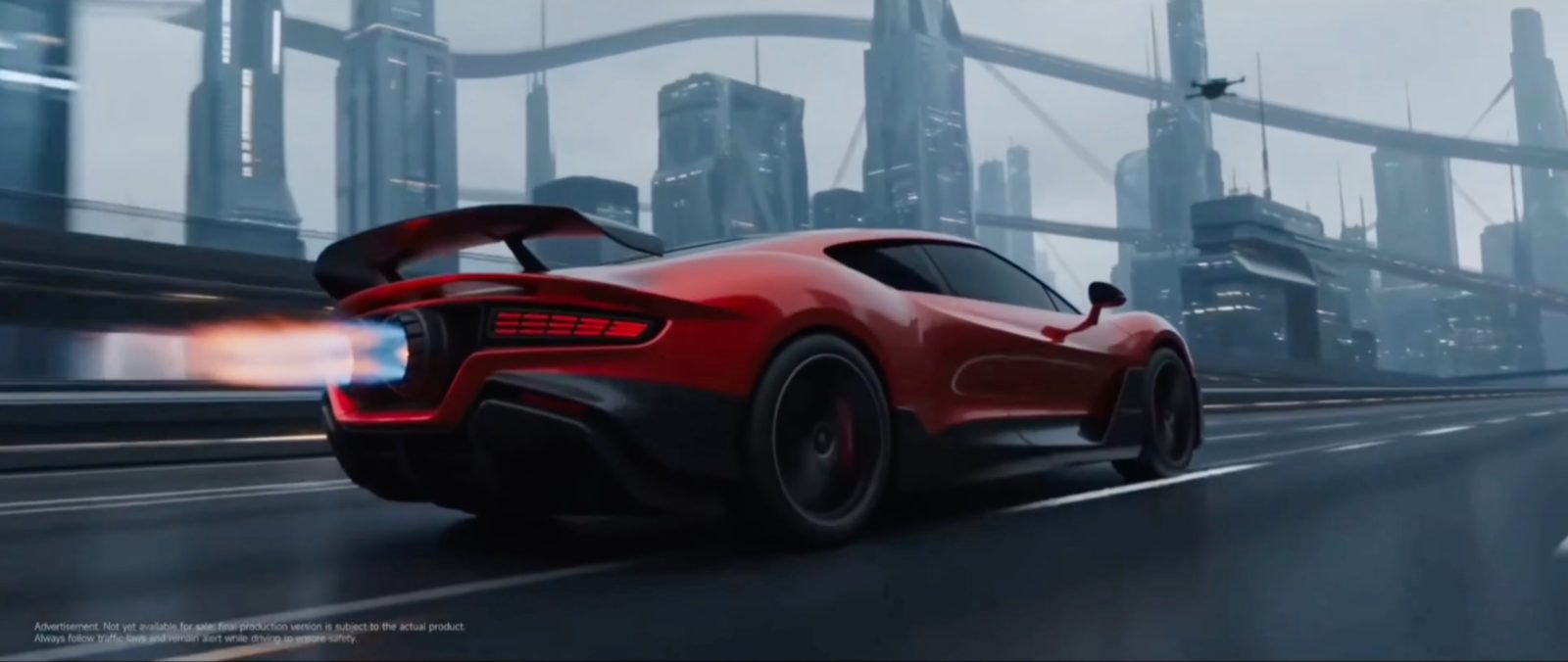
Dreame, a company primarily known for its robot vacuum cleaners, has officially announced the cancellation of its electric hypercar project. The company had previously unveiled a prototype in April, which garnered significant attention for its purported capabilities. A key feature of this hypercar was the planned integration of solid rocket boosters, designed to achieve an astonishing 0-60 mph acceleration time of just 0.9 seconds. This ambitious acceleration figure placed it in a category far exceeding most contemporary high-performance vehicles. The decision to cancel the project signifies a complete withdrawal from Dreame's automotive ambitions, as the company is also shuttering its other car-related initiatives. This pivot away from the automotive sector suggests a strategic realignment for Dreame, focusing its resources and efforts on its core business areas. The company's initial foray into the hypercar market was a bold move, aiming to leverage advanced technology and engineering to create a groundbreaking vehicle. The inclusion of rocket boosters was particularly noteworthy, a feature rarely seen in consumer automotive design and typically reserved for specialized aerospace applications. The rapid acceleration target of 0.9 seconds for 0-60 mph would have made the Dreame hypercar one of the fastest accelerating vehicles ever conceived, potentially setting new benchmarks in automotive performance. However, the practicalities of integrating such technology into a road-legal vehicle, along with the associated costs, safety considerations, and regulatory hurdles, likely contributed to the project's demise. Dreame's primary business involves the development and sale of smart home appliances, particularly robotic vacuum cleaners, which have seen considerable success in the market. The company's decision to abandon its automotive ventures indicates a prioritization of its established product lines and a potential recognition that the capital and expertise required for automotive development, especially in the hypercar segment, may not align with its long-term strategic goals. The cancellation also raises questions about the future of the advanced propulsion and acceleration technologies that were being explored for the hypercar, and whether any of these innovations might be repurposed for other applications or integrated into Dreame's existing product ecosystem. The company has not provided specific details regarding the financial implications of the cancellation or the fate of the personnel involved in the automotive division. This move by Dreame contrasts with the growing trend of technology companies exploring diversification into the automotive industry, particularly in the electric vehicle space. By stepping back from its hypercar ambitions, Dreame is signaling a clear focus on its core competencies and a strategic retreat from a highly competitive and capital-intensive market.
Original source — read the full reporting at the publisher:
Read on ElectrekGet the weekly AI digest
AI news + new model releases, weekly. Drafted by our agents, reviewed by humans.