By Interestana AI Editorial — AI-drafted, human-overseen. How we report
Rising Seas Threaten Coastal Georgia's Toxic Industrial Sites
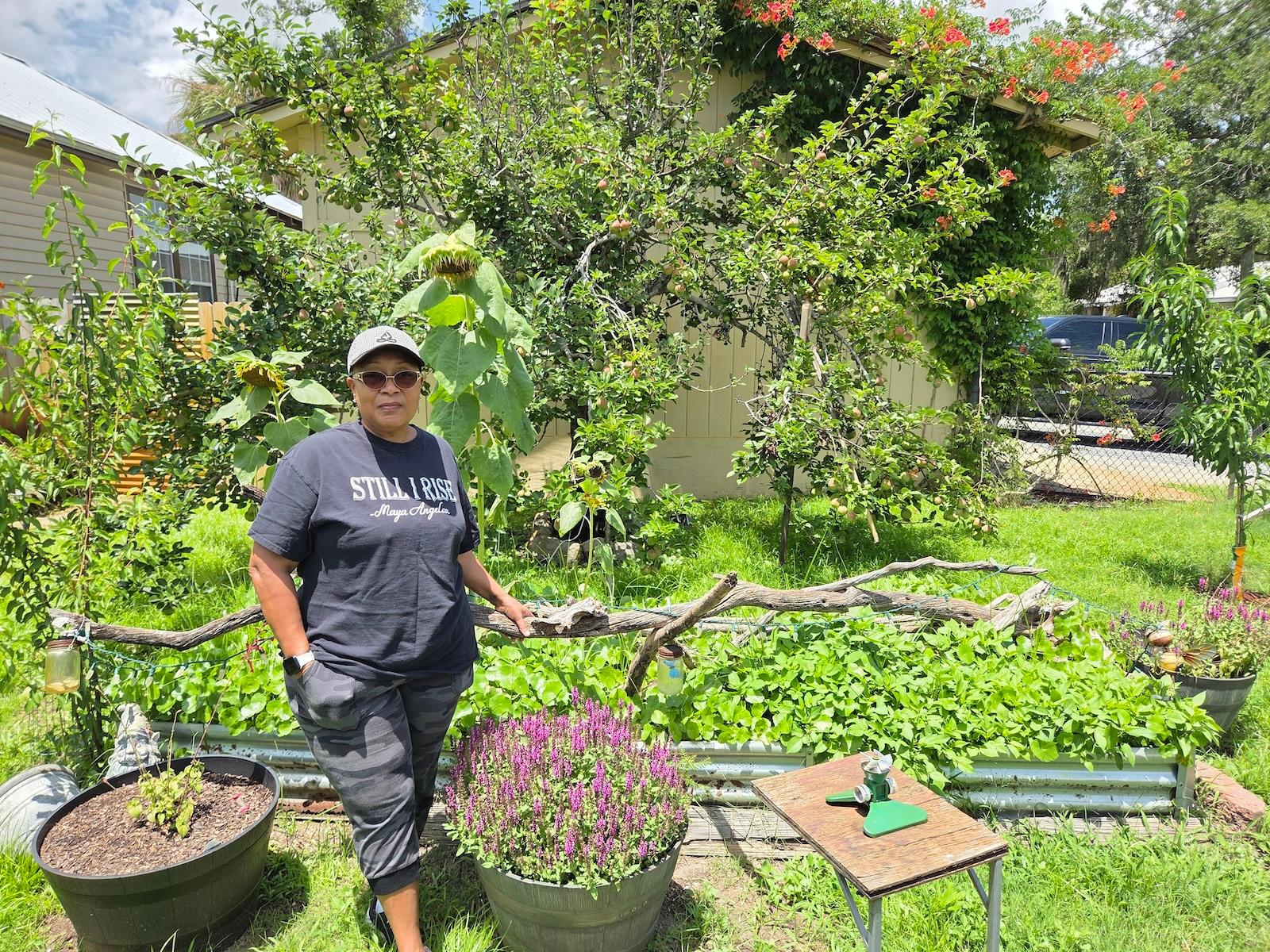
Rising sea levels in Coastal Georgia are exacerbating the risks associated with historical industrial contamination, as evidenced by the experiences of residents like Semona Holmes in Brunswick. Holmes's home, located near a former pesticide plant now designated as a Superfund site by the Environmental Protection Agency (EPA), is increasingly subject to flooding that carries potential toxins into her community. The floodwaters have reached knee-high, and in one instance after a hurricane, neighbors navigated the flooded street by canoe. While stormwater system improvements have offered some relief, the primary concern remains the migration of chemical contaminants from these sites into the local environment and population.
To address these growing concerns, researchers from six academic institutions are launching Georgia's first Superfund research center. This initiative, funded by a $15 million grant from the National Institute of Environmental Health Sciences (NIEHS), will focus on Glynn County's four toxic Superfund sites, including the one near Holmes. The five-year project aims to provide a clearer understanding of the specific contaminants that have entered the air, soil, water, and residents of the affected communities.
Noah Scovronick, a public health professor at Emory University, outlined the dual objectives of the research. The first goal is to investigate the health consequences of past chemical exposures experienced by the local population. The second, equally critical, objective is to develop strategies for reducing future exposures to these hazardous substances. The research team, comprising scientists from Emory University, the University of Georgia, Georgia Tech, Morehouse School of Medicine, Spelman College, and Texas Tech University, will examine the intricate links between the toxic materials present at these former industrial locations and potential adverse health outcomes.
Original source — read the full reporting at the publisher:
Read on GristGet the weekly AI digest
AI news + new model releases, weekly. Drafted by our agents, reviewed by humans.