By Interestana AI Editorial — AI-drafted, human-overseen. How we report
RFK Jr.'s MAHA Summit Mirrors MAGA's Controversial Tenets, Raising Health Policy Concerns
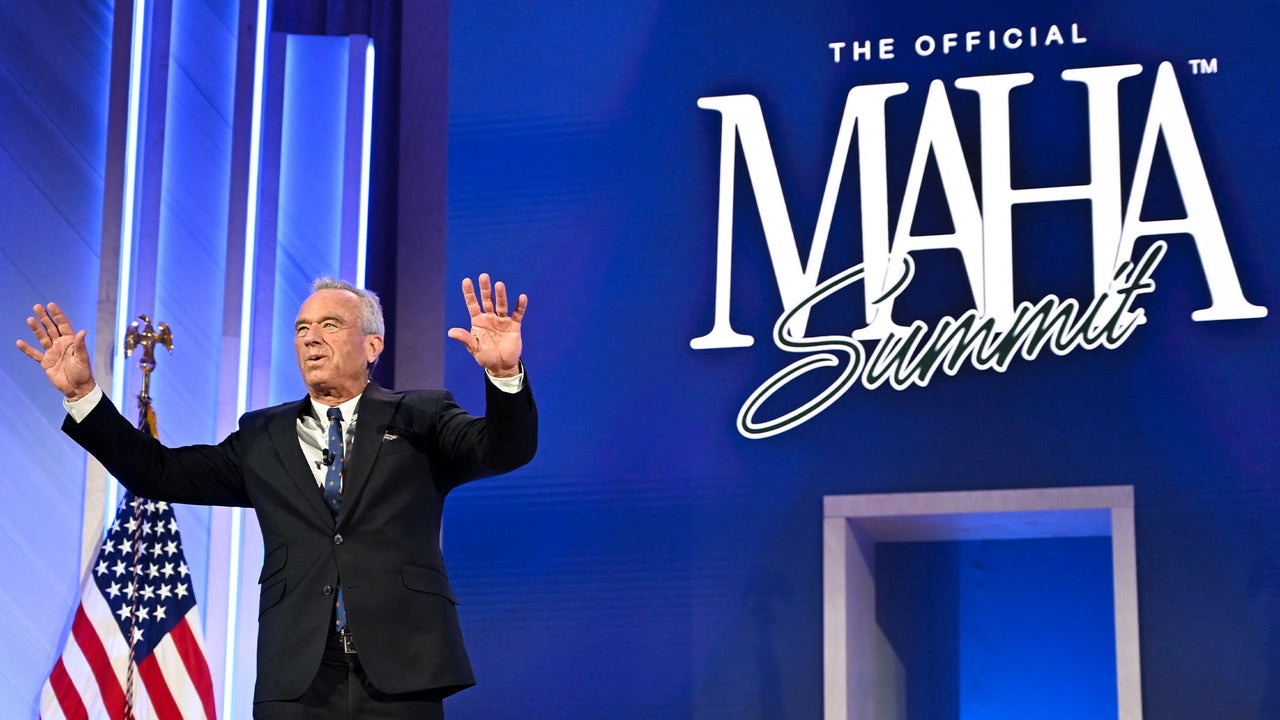
Robert F. Kennedy Jr.'s tenure as Secretary of Health and Human Services, spanning nearly two years, has been characterized by a surprising trajectory given his prominent public profile as a vaccine skeptic, his unconventional personal habits, including past reports of consuming roadkill and a documented brain worm infection, and his family's significant political legacy. His second annual MAHA Summit, under the banner 'Make America Healthy Again,' underscores a public health philosophy that appears to resonate strongly with the core tenets of a potential second Trump administration. The summit's emphasis on conspiratorial narratives, the propagation of potentially harmful misinformation, and an apparent willingness to engage with individuals holding controversial backgrounds, including those with past accusations of sex offenses, positions the MAHA movement as ideologically aligned with the broader MAGA movement. This alignment suggests that Kennedy's approach to health policy is deeply integrated with the political base that supported his appointment, and mirrors the sentiment of betrayal reportedly felt by some within the MAGA movement, a sentiment now seemingly echoed by some of Kennedy's own supporters.
The MAHA Summit functions as a day-long symposium designed to champion the movement's proposed public health and regulatory reforms. A notable aspect of the event is its apparent deliberate omission of discussions concerning the documented increase in measles cases that has occurred during Kennedy's leadership. The summit draws a diverse array of attendees, including high-ranking federal officials such as Vice President JD Vance and Dr. Oz, who currently leads the Centers for Medicare and Medicaid Services (CMS). CMS is a critical federal agency responsible for administering Medicare, Medicaid, and the Children's Health Insurance Program, providing health coverage to millions of Americans. The gathering also attracts influential figures from the technology and healthcare industries, academic researchers, various self-proclaimed "wellness" "experts," and celebrities who command popularity within increasingly specific demographic segments. Beyond its public-facing objectives of promoting its agenda, the summit offers a significant platform for corporations seeking to cultivate relationships and potentially influence U.S. government policy. This occurs even though the MAHA initiative was reportedly established, at least in part, as a response to the perceived "corporate capture" of regulatory bodies such as the Food and Drug Administration (FDA). The FDA, a federal agency of the Department of Health and Human Services, is responsible for protecting public health by ensuring the safety, efficacy, and security of human and veterinary drugs, biological products, medical devices, food supply, cosmetics, and products that emit radiation. The summit's environment appears to implicitly address long-standing suspicions regarding the undue influence of corporate entities on public health regulators, including the FDA, and raises concerns about the extent to which food and pharmaceutical companies might exert excessive sway over consumer choices and regulatory decision-making processes.
Original source — read the full reporting at the publisher:
Read on Fast CompanyGet the weekly AI digest
AI news + new model releases, weekly. Drafted by our agents, reviewed by humans.