By Interestana AI Editorial — AI-drafted, human-overseen. How we report
RFK Jr. Reassures Anti-Vaxxers of White House Support
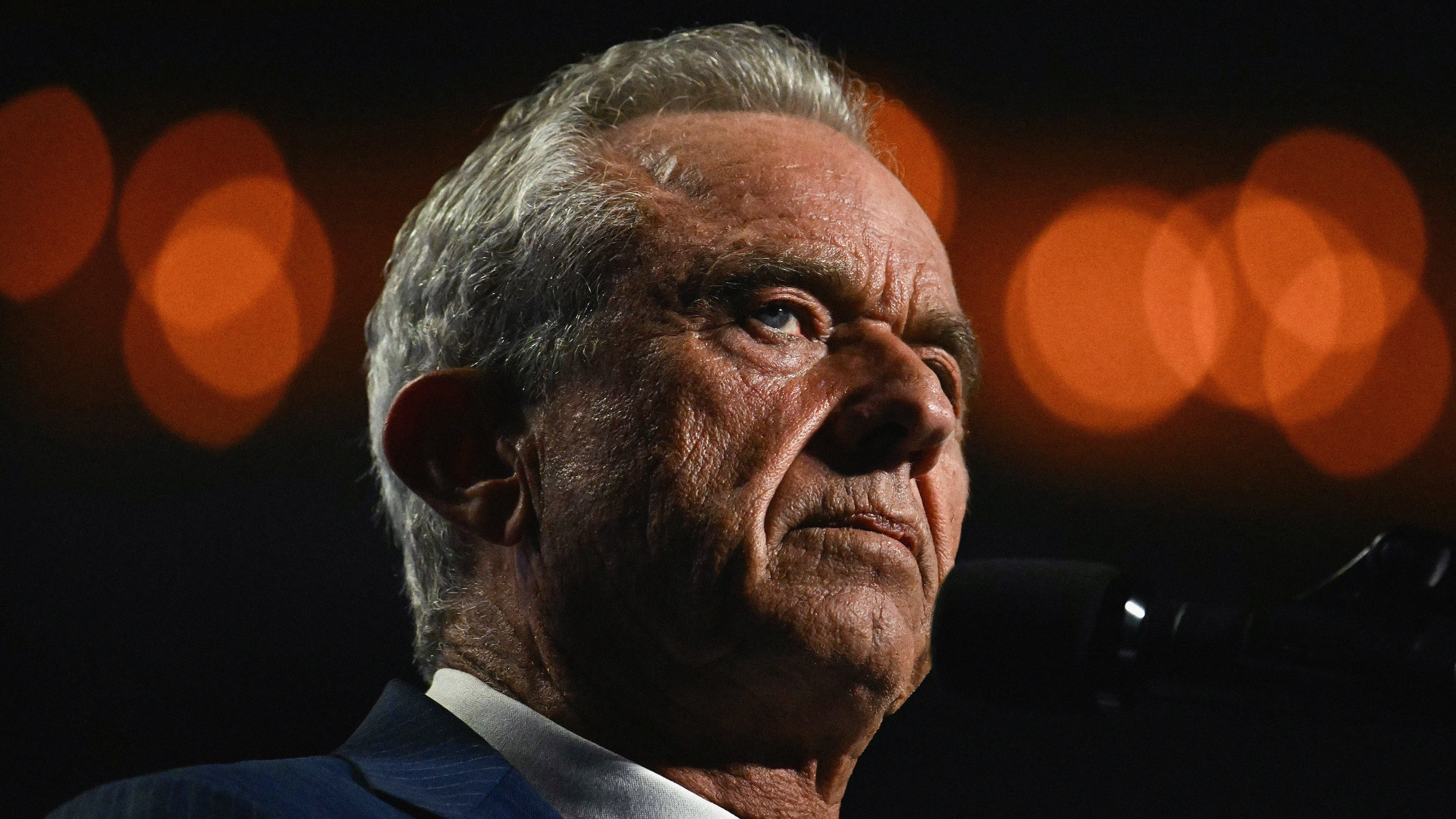
Robert F. Kennedy Jr. declared to attendees at a conference hosted by an anti-vaccine organization he founded that "You have friends in the White House." This statement was made during an event organized by the Children's Health Defense, an advocacy group that promotes skepticism regarding vaccine safety and efficacy. Kennedy, who is running as an independent candidate for the U.S. presidency, has a long history of promoting vaccine misinformation and has been a prominent figure in the anti-vaccine movement. His remarks suggest an alignment or perceived influence with individuals or factions within the current administration, though specific individuals or departments were not named. The Children's Health Defense, established in 2010, has been a significant platform for disseminating research and opinions critical of public health recommendations concerning vaccines. The organization's stated mission is to "protect children's health from all preventable causes of illness, disability, and death, and to restore the balance between the promise of vaccines and the known risk of injury." Kennedy's involvement with the group predates his presidential campaign, and he has frequently used his public platform to amplify its message. His campaign platform has often touched upon issues related to public health policy, including strong opposition to vaccine mandates and a call for greater transparency in vaccine research and approval processes. Critics of Kennedy's stance argue that his rhetoric undermines public health efforts and contributes to vaccine hesitancy, which can lead to outbreaks of preventable diseases. The World Health Organization and numerous public health bodies worldwide endorse vaccination as one of the most effective public health interventions. Kennedy's assertion of having "friends in the White House" could be interpreted in several ways, including a reference to sympathetic individuals within government agencies, political allies, or a broader sentiment of shared concerns about regulatory processes or pharmaceutical industry influence. However, without further clarification from Kennedy or his campaign, the precise meaning and basis for this claim remain open to interpretation. The conference itself served as a gathering for individuals and groups who share concerns about vaccine safety and government health policies, providing a platform for speakers and attendees to discuss these issues. The event underscores the continued influence of vaccine skepticism within certain segments of the population and the role of prominent figures like Kennedy in mobilizing this sentiment. The political implications of such statements are significant, particularly as Kennedy seeks to gain traction in the upcoming presidential election by appealing to voters who may feel disenfranchised by mainstream political discourse on health and science.
Original source — read the full reporting at the publisher:
Read on The AtlanticGet the weekly AI digest
AI news + new model releases, weekly. Drafted by our agents, reviewed by humans.