By Interestana AI Editorial — AI-drafted, human-overseen. How we report
RFK Jr. Advocates Alzheimer's Screening Amid Panel Inaction
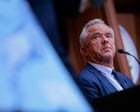
Robert F. Kennedy Jr., the US health secretary, has publicly advocated for improved screening protocols for Alzheimer's disease. This call for action comes at a time when a crucial federal body, the US Preventive Services Task Force (USPSTF), has been unable to convene for over a year, thereby hindering its ability to issue vital recommendations. The USPSTF, a group of independent experts, is responsible for evaluating the benefits of preventive health services and providing evidence-based recommendations to clinicians and the public. Its inactivity means that progress on developing practical screening methods for cognitive decline, a key area of focus for Alzheimer's detection, is stalled. The task force had been scheduled to release recommendations on cognitive decline screening this year, as part of a broader agenda that included other significant public health topics such as autism screening and the prevention of food allergies. The delay in the USPSTF's operations means that the scientific community and healthcare providers are without updated guidance on the efficacy and implementation of Alzheimer's screening. Experts have noted that the evidence supporting widespread cognitive screening, as desired by Secretary Kennedy Jr., is not yet robust enough to warrant a definitive recommendation, further emphasizing the need for the USPSTF's deliberations. The task force's mandate is to review the latest scientific evidence and determine the appropriate balance of benefits and harms for various preventive measures. Without its input, the pathway to integrating effective Alzheimer's screening into routine healthcare remains unclear. The USPSTF's last meeting was over a year ago, and there has been no indication of when it is expected to reconvene and resume its critical work. This prolonged period of inaction by a body designed to guide preventive healthcare practices raises concerns about the pace of advancements in areas like Alzheimer's detection and research. The lack of updated recommendations from the USPSTF could also impact funding and research priorities, as task force guidelines often influence these decisions. The scientific community is awaiting the USPSTF's review to understand the current evidence base for cognitive screening and to receive guidance on how to proceed with further research and clinical application. The secretary's push for screening highlights a public health imperative, but the operational paralysis of the USPSTF presents a significant bottleneck in translating that imperative into actionable, evidence-based healthcare policy and practice. The USPSTF's role is to provide guidance that helps individuals and healthcare providers make informed decisions about preventive health, and its current state of idleness leaves a void in this critical function, particularly concerning the complex challenge of early Alzheimer's detection.
Original source — read the full reporting at the publisher:
Read on The Guardian WorldGet the weekly AI digest
AI news + new model releases, weekly. Drafted by our agents, reviewed by humans.