By Interestana AI Editorial — AI-drafted, human-overseen. How we report
RFK Jr. Claims AI Will End Medical "Tyranny"
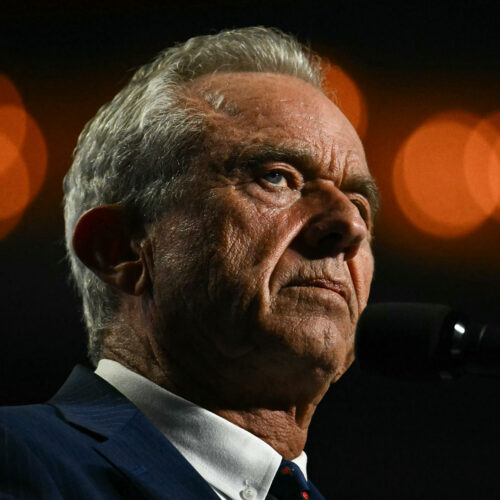
Robert F. Kennedy Jr., speaking at a Make America Healthy Again (MAHA) event on Tuesday, expressed his belief that artificial intelligence will liberate Americans from the "tyranny" of medical facts and expertise. During a "fireside chat" with Vice President JD Vance, Kennedy, who also serves as the anti-vaccine Health Secretary, shifted the conversation from MAHA's typical focus on healthy lifestyles and skepticism towards pharmaceutical companies to the potential of AI. Vance indicated he had anticipated a discussion on "weight loss and acid, not AI," highlighting the unexpected turn in the dialogue. Kennedy asserted that the Trump administration is facilitating widespread American access to AI, which he contended would free individuals from the "medical tyranny" imposed by doctors and health professionals. He advocated for Americans to utilize AI to obtain second opinions on medical recommendations, claiming that AI possesses superior information compared to any physician. Furthermore, Kennedy suggested that AI would validate his own misinformation regarding vaccines and his contrarian perspectives on public health directives. He articulated this vision by stating, "We're never, ever again going to be able to be dominated by public officials who tell us trust the experts, because every American will be able to check their own medical advice." This perspective positions AI as a tool for individual empowerment against established medical authority and public health guidance. The Make America Healthy Again initiative generally aligns with a distrust of conventional medical advice and pharmaceutical industries, often promoting alternative health approaches. Kennedy's embrace of AI as a means to bypass traditional medical gatekeepers aligns with this broader ethos of challenging established institutions and expert opinions. His remarks suggest a future where individuals rely on AI-generated information for health decisions, potentially challenging the role of healthcare providers and public health organizations in shaping medical consensus and patient care. The implications of such a shift could involve increased reliance on unverified information and a fragmentation of medical understanding, as individuals may prioritize AI-generated advice over evidence-based medical consensus. The event itself, described as a "fireside chat," implies an informal setting for discussion, which may have contributed to the candid and provocative nature of Kennedy's statements. The contrast between Vance's expected topics and Kennedy's focus on AI underscores the evolving discourse around technology's role in personal decision-making, particularly in sensitive areas like health.
Original source — read the full reporting at the publisher:
Read on Ars TechnicaGet the weekly AI digest
AI news + new model releases, weekly. Drafted by our agents, reviewed by humans.