By Interestana AI Editorial — AI-drafted, human-overseen. How we report
RFK Jr. Claims Inability to Vote Due to Lack of Legal Residence Following Ballot Challenges
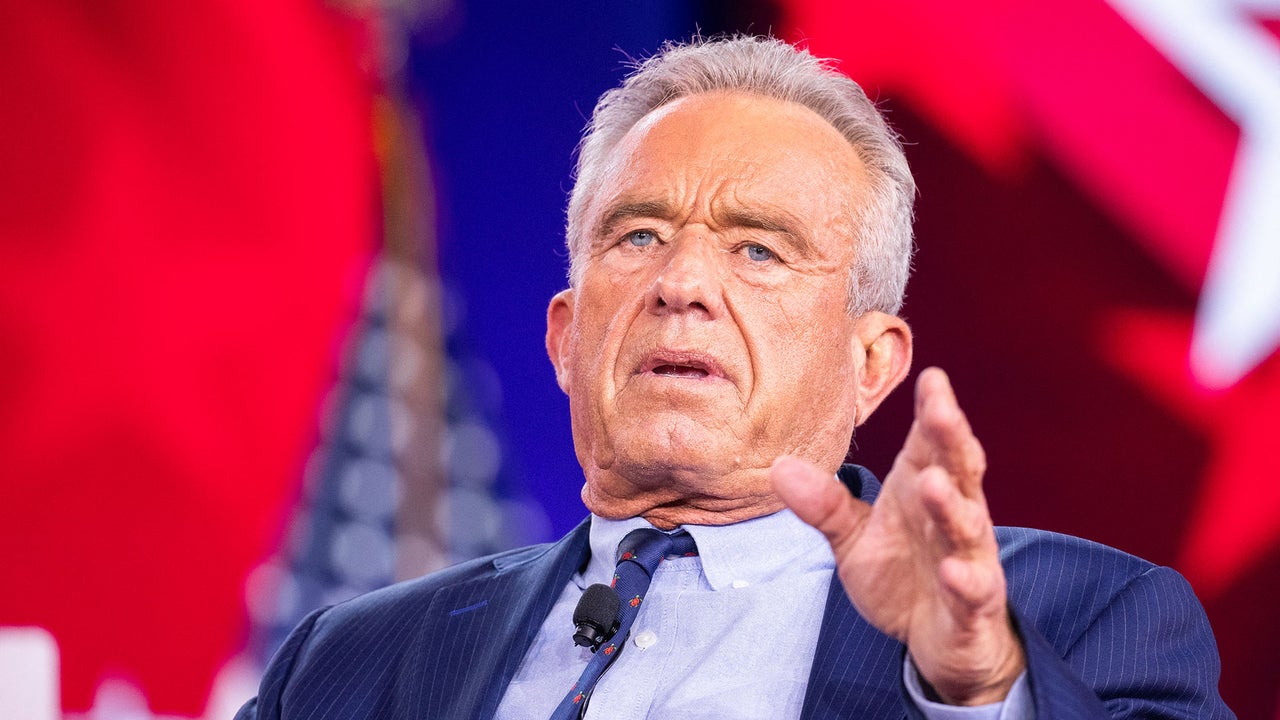
Robert F. Kennedy Jr., the 72-year-old Health and Human Services secretary, has publicly stated that he is currently unable to vote in any U.S. state. This perplexing situation arises from a lack of legal residence, which he described as rendering him effectively homeless for voting purposes. Kennedy made these remarks during a press conference in Los Angeles focused on the issue of homelessness, appearing alongside Housing and Urban Development Secretary Scott Turner. He elaborated on the circumstances, explaining that legal actions taken by the Democratic Party during his 2024 presidential campaign were the catalyst for his current predicament. Initially, the Democratic Party sued to have him removed from presidential ballots in 12 states, including New York and California. Subsequently, after he endorsed President Trump, the party again initiated legal proceedings, this time to ensure his inclusion on the ballot in those same states. It was during the course of these legal battles that a court declared he had no legal residence. This declaration has created a significant "dilemma" for Kennedy, as he now finds himself without a state in which he can legally cast a vote, a situation he believes is unique for a U.S. citizen. He indicated that he is actively working to resolve this issue before the next election.
The root of this problem traces back to his 2024 presidential campaign, when he sought to establish New York as his state of residence. This claim was made despite his relocation to California in 2014. At the time, Kennedy asserted that his residence was a rented room in a friend's home located in Katonah, New York. However, reports suggest that no formal lease agreement was in place for this accommodation. The validity of his claimed residence was challenged in a lawsuit presided over by Judge Christina Ryba. The judge ultimately ruled that the spare bedroom in question was too small to reasonably accommodate Kennedy, his wife, family members, multiple pets, and all of his personal belongings. Consequently, Judge Ryba determined that Kennedy failed to meet New York state's legal requirements for establishing residency and being added to the ballot. This judicial decision led to his removal from the presidential ballots in all 12 states where he had claimed Katonah as his legal domicile. The legal precedent established by this ruling appears to be the direct cause of his current inability to establish a voting residence in any state, leaving him in a unique and challenging position.
Original source — read the full reporting at the publisher:
Read on Fast CompanyGet the weekly AI digest
AI news + new model releases, weekly. Drafted by our agents, reviewed by humans.