By Interestana AI Editorial — AI-drafted, human-overseen. How we report
RFK Jr. Appoints 8 New Members to Preventive Medicine Task Force
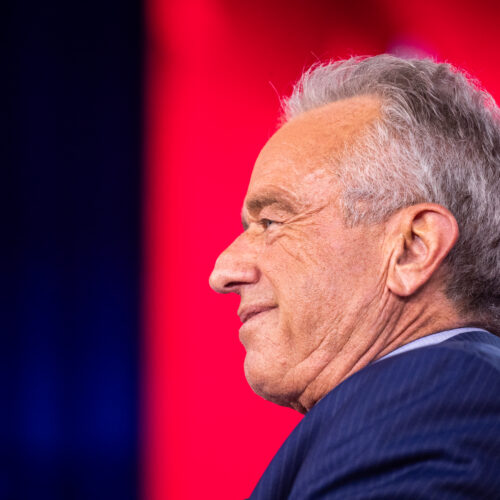
Health Secretary Robert F. Kennedy Jr. announced on an unspecified date that he has appointed eight new members to the 16-person US Preventive Services Task Force (USPSTF). This federal task force is intended to provide scientifically independent, evidence-based recommendations on a range of preventive medicine services for Americans. These services encompass areas such as depression screening, statin use, colonoscopies, and mammograms. The recommendations issued by the USPSTF are significant because they not only offer guidance to the public but also directly influence access to healthcare services. The task force is mandated to employ a rigorous and transparent framework for evaluating scientific evidence, assigning graded recommendations on a scale from A to D. Crucially, health insurance providers in the United States are legally required to cover all preventive services that receive an A or B grade recommendation from the USPSTF, at no out-of-pocket cost to patients.
Kennedy's administration has faced criticism for its handling of the USPSTF over the past year. He had previously sidelined the task force for more than a year, which involved canceling its scheduled meetings and failing to appoint new members as existing members' terms expired and they departed the panel. This period of inactivity and lack of new appointments raised early concerns about the task force's operational continuity and its ability to fulfill its mandate. The delay in appointments meant that the task force was operating with a reduced capacity, potentially impacting its ability to review and recommend preventive services.
Further intensifying these concerns, in May, Kennedy took the action of dismissing two of the USPSTF's leaders. This decision triggered significant outcry from various stakeholders and exacerbated existing fears that the nonpartisan and independent nature of the panel was being compromised. Critics voiced apprehension that Kennedy intended to populate the task force with individuals who aligned with his ideological viewpoints, potentially lacking the necessary qualifications or scientific objectivity. This fear was amplified by a similar situation involving an influence vaccine advisory committee at the Centers for Disease Control and Prevention (CDC), where Kennedy was perceived to have appointed ideologically aligned members.
The appointment of eight new members, while intended to reconstitute the task force, has therefore been met with scrutiny. The composition of the USPSTF is critical for ensuring that recommendations on preventive care are based on the best available scientific evidence, free from political or ideological influence. The task force's recommendations have a direct impact on public health outcomes and the financial accessibility of essential medical screenings and treatments for millions of Americans. The administration's past actions have led to heightened vigilance regarding the independence and scientific integrity of the USPSTF under Kennedy's leadership.
Original source — read the full reporting at the publisher:
Read on Ars TechnicaGet the weekly AI digest
AI news + new model releases, weekly. Drafted by our agents, reviewed by humans.