By Interestana AI Editorial — AI-drafted, human-overseen. How we report
RFK Jr. Targets Ultra-Processed Food Definition
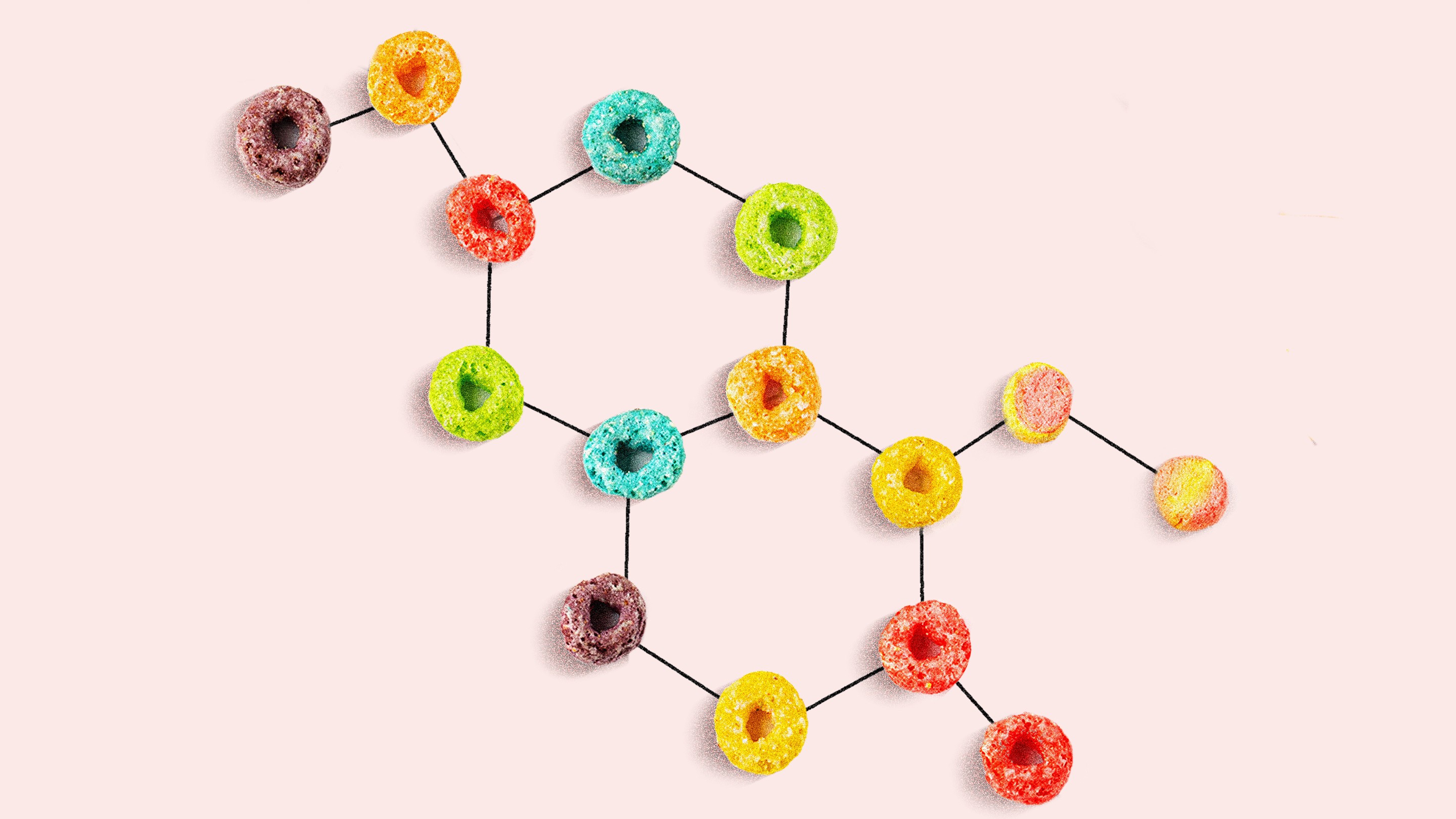
Robert F. Kennedy Jr., the Secretary of Health and Human Services, has launched an initiative to establish a formal definition for ultra-processed foods. This effort aims to bring clarity to a category that has been a subject of increasing public health concern and scientific debate. The U.S. Department of Health and Human Services (HHS) is spearheading this endeavor, which could have significant implications for food labeling, dietary guidelines, and the food industry at large. The push for a definition stems from growing evidence linking the consumption of ultra-processed foods to adverse health outcomes, including obesity, cardiovascular disease, and type 2 diabetes. However, the scientific community has faced challenges in agreeing upon a precise and universally accepted definition, leading to a complex and often fuzzy landscape for both consumers and regulators.
Historically, the concept of ultra-processed foods has been explored by researchers, notably by Carlos Monteiro and his colleagues, who developed the NOVA classification system. This system categorizes foods based on the extent and purpose of food processing. Under the NOVA system, ultra-processed foods are typically industrial formulations made from substances extracted from foods (like oils, proteins, and starches), derived from food constituents (like hydrogenated fats and modified starches), or synthesized in laboratories (like flavor enhancers, colors, and artificial sweeteners). These ingredients are often used to create palatable, convenient, and inexpensive products that can displace less processed options in diets. The HHS initiative seeks to translate these scientific understandings into a practical, actionable definition that can be used by government agencies and potentially incorporated into federal policies and recommendations.
The lack of a standardized definition has made it difficult to conduct consistent research, implement effective public health interventions, and for consumers to make informed choices. Different studies and regulatory bodies may use varying criteria, leading to confusion about which foods fall into the ultra-processed category. By seeking to define these foods, the HHS aims to provide a clearer framework for identifying products that may pose risks to public health. This could lead to updated dietary recommendations, potentially influencing food manufacturers to reformulate products or improve labeling transparency. The process will likely involve extensive scientific review and consultation with experts in nutrition, food science, and public health.
The initiative by Secretary Kennedy Jr. represents a significant step towards addressing the public health implications of modern food systems. The outcome of this effort could reshape how ultra-processed foods are understood, regulated, and consumed in the United States. The HHS has not yet provided a specific timeline for the completion of the definition, but the announcement signals a commitment to tackling this complex issue. The broader context includes ongoing global discussions about food processing and its impact on health, with many countries and international organizations also grappling with how to address the proliferation of ultra-processed products in their food supplies. The HHS's work could serve as a model or contribute to international efforts to standardize definitions and policies related to food processing.
Original source — read the full reporting at the publisher:
Read on The AtlanticGet the weekly AI digest
AI news + new model releases, weekly. Drafted by our agents, reviewed by humans.