By Interestana AI Editorial — AI-drafted, human-overseen. How we report
Nolan's The Odyssey Sparks Ongoing Debate Post-Release
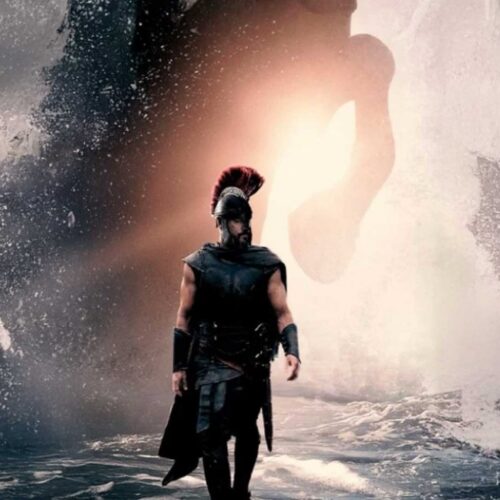
Christopher Nolan's cinematic adaptation of Homer's "The Odyssey" has remained a focal point of controversy since its initial casting and design announcements, with discussions reigniting with each subsequent trailer release. Despite the film receiving considerable praise and achieving significant financial success since its debut, debates persist between proponents of classical interpretations and the general audience. This ongoing discourse centers on an adaptation of an epic poem that has existed since approximately the 8th century BCE. The author's personal assessment highlights that while the IMAX presentation provides an epic scope, Nolan imbues the narrative with an intimate quality, successfully casting a nearly three-hour cinematic spell. Although the enchantment begins to wane after exiting the theater, the film's striking visuals are noted to leave a lasting impression for days. Furthermore, the adaptation offered the author a renewed perspective on the protagonist, Odysseus. The film's narrative delves into the journey of Odysseus, the king of Ithaca, as he strives to return home after the Trojan War. His voyage is fraught with peril, encountering mythical creatures, divine interventions, and the challenges of maintaining his kingdom and family in his prolonged absence. The adaptation's approach to these trials, particularly through Nolan's directorial lens, has been a key element in the ongoing critical discussions. Classicists often scrutinize adaptations for their fidelity to the source material and its historical or literary context, while general audiences may focus more on the emotional impact, visual spectacle, and thematic relevance to contemporary viewers. The "Odyssey," attributed to the ancient Greek poet Homer, is one of the foundational works of Western literature, detailing Odysseus's ten-year struggle to return to his island kingdom of Ithaca. The poem is renowned for its complex narrative structure, exploration of themes such as homecoming, loyalty, temptation, and divine justice, and its rich tapestry of mythological elements. Nolan's decision to adapt such a seminal work, particularly with his distinctive directorial style known for intricate plotting and grand visual ambition, inevitably invites comparison and varied interpretations. The film's critical reception has been largely positive, with many commending its ambitious scale and emotional depth, while box office performance indicates strong public interest. However, the very nature of adapting a text with such a long and storied interpretive history ensures that disagreements regarding its success and meaning are likely to continue.
Original source — read the full reporting at the publisher:
Read on Ars TechnicaGet the weekly AI digest
AI news + new model releases, weekly. Drafted by our agents, reviewed by humans.