By Interestana AI Editorial — AI-drafted, human-overseen. How we report
Apple Discontinues Mac Pro, Shifts Focus to Mac Studio
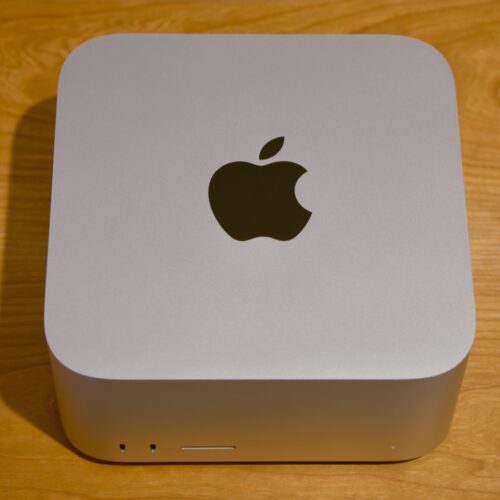
Apple officially announced the discontinuation of its Mac Pro line this spring, marking a significant shift in its professional desktop strategy. This decision stems from the fundamental architectural changes introduced with Apple Silicon chips, which integrate the CPU, GPU, and memory interface onto a single chip. Historically, the Mac Pro's tower design facilitated expandability and upgrades, a concept that becomes impractical and potentially detrimental to the performance benefits of Apple Silicon's unified architecture. The integrated nature of these chips, combining a fast CPU, robust GPU, and unified memory, has proven particularly well-suited for modern professional tasks that heavily utilize high-end hardware, such as running large language models and AI agents locally.
This pivot suggests Apple's strategic focus is now on the Mac Studio, a more compact and integrated system that can still offer substantial processing power. The Mac Studio, introduced in March 2022, features Apple's M1 Max and M1 Ultra chips, and subsequent models have leveraged newer generations of Apple Silicon. These machines are designed to handle demanding computational tasks, including video editing, 3D rendering, and software development, with the added benefit of efficient local AI model execution. The move away from the traditional expandable tower format reflects a broader industry trend where specialized, high-performance integrated systems are increasingly favored over modular designs for certain professional workflows.
The implications of this discontinuation extend to the user base that relied on the Mac Pro for its specific upgradeability and expansion capabilities. While the Mac Studio offers considerable power, it does not provide the same level of internal component customization or the ability to add third-party PCIe cards that the Mac Pro historically allowed. This means professionals who require such flexibility, perhaps for specialized scientific instruments or unique hardware configurations, may need to explore alternative solutions or adapt their workflows to the capabilities of Apple's current offerings. The company's emphasis on the Mac Studio indicates a confidence in its ability to meet the performance demands of most professional users within its integrated silicon framework.
Apple's transition away from the Mac Pro aligns with its broader strategy of consolidating its product lines around its in-house silicon. The company has consistently highlighted the performance and efficiency gains achieved with Apple Silicon, and the Mac Studio serves as a flagship product showcasing these advancements for the professional market. The decision to end the Mac Pro line, a product that once represented the pinnacle of Mac expandability, underscores Apple's commitment to its silicon-driven future and its belief that integrated systems can effectively meet the evolving needs of creative and technical professionals.
Original source — read the full reporting at the publisher:
Read on Ars TechnicaGet the weekly AI digest
AI news + new model releases, weekly. Drafted by our agents, reviewed by humans.