By Interestana AI Editorial — AI-drafted, human-overseen. How we report
Stanford Researchers Replace Mouse Cortex With Human Brain Cells
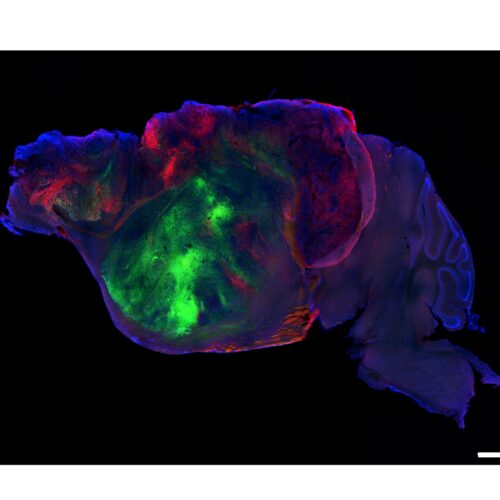
Researchers at Stanford University have developed a novel method for studying human brain development and disease by surgically replacing a portion of a mouse's cerebral cortex with human brain organoid cells. This groundbreaking experiment, detailed in a recent publication, aims to overcome the limitations of traditional brain organoids, which often lack the complex cellular interactions and structural integration found in a living brain. The team genetically modified mice to eliminate a substantial part of their cortical tissue, creating a void that was then filled with lab-grown human brain organoids. These organoids, derived from human stem cells, are designed to mimic the three-dimensional structure and cellular diversity of the human cortex. By integrating these human cells into the mouse brain, the researchers created a hybrid neural system that allows for the study of human brain function and disease progression in a more physiologically relevant context than previously possible. Organoids, while advanced in their ability to replicate tissue structure and cell types, typically exist in isolation from the body's complex systems. They lack connections to circulatory systems, which are crucial for nutrient supply and waste removal, and do not interact with immune cells. The Stanford experiment addresses these limitations by embedding the human organoid tissue within the living environment of a mouse brain. This allows the human cells to receive blood supply, interact with other brain structures, and potentially exhibit more complex behaviors and responses. The implications of this research are significant for understanding neurological disorders such as Alzheimer's, Parkinson's, and schizophrenia. By observing how human brain cells function and interact within a living mammalian brain, scientists can gain deeper insights into the cellular and molecular mechanisms underlying these conditions. This could lead to the development of more effective diagnostic tools and therapeutic interventions. The methodology involved genetically engineering mice to create a receptive environment for the human organoid graft. Following the surgical implantation, the human cells were observed to integrate with the existing mouse neural circuitry, forming new connections and exhibiting electrical activity. This successful integration represents a critical step forward in creating more sophisticated models for neuroscience research. The study highlights the potential of combining organoid technology with in vivo experimentation to bridge the gap between lab-based research and the complexities of the human brain. Future research will likely focus on further refining the integration process and exploring the long-term functionality and behavior of these hybrid brains.
Original source — read the full reporting at the publisher:
Read on Ars TechnicaGet the weekly AI digest
AI news + new model releases, weekly. Drafted by our agents, reviewed by humans.