By Interestana AI Editorial — AI-drafted, human-overseen. How we report
Researchers Operate Two Genetic Codes Simultaneously
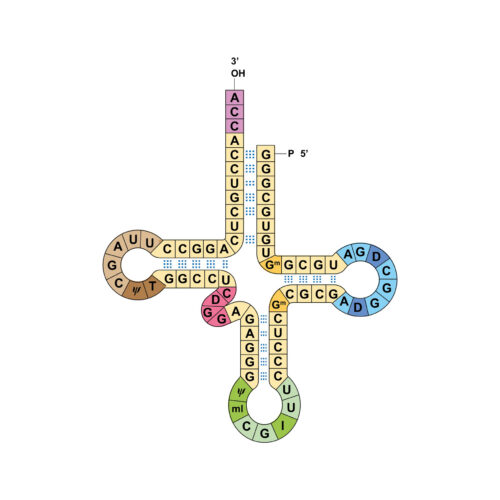
Researchers have developed a novel method enabling the simultaneous operation of two distinct genetic codes, a significant advancement in the field of synthetic biology. The genetic code serves as the universal language of life, translating DNA sequences into specific protein chains. This fundamental code, with minor variations, is conserved across nearly all known organisms, indicating its ancient origin and deep integration into cellular processes. Modifying this code is exceptionally challenging due to its pervasive reliance by numerous cellular components. Previous efforts to alter the genetic code have involved substantial re-engineering, such as modifying every gene within a bacterial genome to accommodate new amino acids or creating proteins with fewer amino acids than usual. These endeavors were often laborious and complex, requiring extensive compensatory changes to maintain cellular function.
The newly developed technique circumvents the need for such extensive re-engineering. By enabling two separate genetic codes to operate concurrently, it avoids the necessity of compensating for alterations to the primary code that underpins all protein synthesis within a cell. This innovative approach was demonstrated in a laboratory setting, though it has not yet been tested within a living cell. The researchers acknowledge that potential challenges may arise when implementing this dual-code system in a biological environment. However, the creative solution presented is expected to significantly expedite research and development in synthetic biology, a field focused on designing and constructing new biological parts, devices, and systems, or redesigning existing, natural biological systems for useful purposes.
The implications of this breakthrough are far-reaching for synthetic biology. This field aims to engineer biological systems for applications ranging from the production of novel therapeutics and biofuels to the development of advanced biomaterials and biosensors. The ability to utilize two genetic codes could allow for the creation of more complex and diverse proteins, potentially leading to the development of entirely new biological functions and capabilities. For instance, it might enable the incorporation of a broader range of amino acids beyond the standard 20, expanding the chemical diversity of proteins and their potential functionalities. This could unlock new avenues for drug discovery, enzyme engineering, and the creation of self-assembling biological structures.
While the current research has not yet been validated in a living cellular system, the conceptual leap represents a substantial step forward. Future work will likely focus on integrating this dual-code system into viable organisms and exploring its practical applications. The success of this research could pave the way for more sophisticated genetic engineering techniques, allowing scientists to build biological systems with unprecedented precision and complexity. The potential to accelerate the design-build-test cycle in synthetic biology is immense, promising faster innovation and a deeper understanding of biological principles.
Original source — read the full reporting at the publisher:
Read on Ars TechnicaGet the weekly AI digest
AI news + new model releases, weekly. Drafted by our agents, reviewed by humans.