By Interestana AI Editorial — AI-drafted, human-overseen. How we report
Incan Sacrifice Victim Died From Trauma, Not Freezing
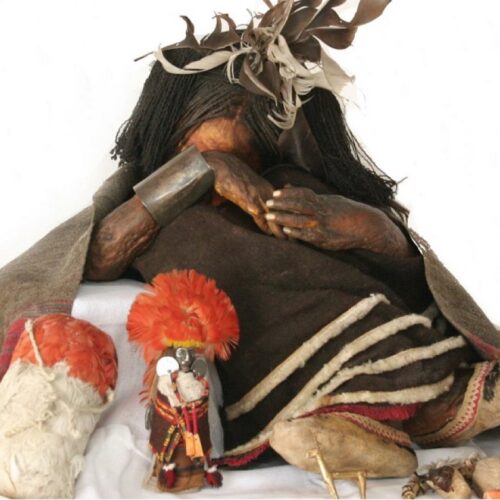
Archaeologists have re-analyzed the remains of a young boy sacrificed by the Incas, concluding that the victim died from blunt force trauma. This finding challenges the previously held belief that the boy succumbed to freezing temperatures during the ritual. The Incas practiced a ritual known as Capachoca, a form of human sacrifice where children were offered to the mountains. These children were believed to become divine, acting as intermediaries between the human world and the gods. The ritual often involved arduous pilgrimages to remote sacrificial sites. Colonial accounts detail various methods of sacrifice, with strangulation, asphyxiation, and blunt force trauma being the most commonly cited. The re-analysis of the Incan boy's remains, detailed in a paper published in the journal Science Advances, provides the most current understanding of the sacrificial practices. This specific case highlights the ongoing scientific effort to refine historical interpretations through modern archaeological and forensic techniques. The study contributes to a broader understanding of ancient Incan culture, their religious beliefs, and their societal practices surrounding human sacrifice. The meticulous examination of skeletal remains allows researchers to glean new insights into the physical conditions and causes of death of individuals from millennia ago. The findings underscore the importance of re-examining historical evidence with updated scientific methodologies, as new data can significantly alter established narratives. The Capachoca ritual, while grim, offers a window into the complex spiritual and social landscape of the Incan civilization. The re-evaluation of this particular sacrifice adds a crucial detail to the historical record, emphasizing the violent nature of the ritual rather than environmental exposure as the direct cause of death. This research is part of a larger scientific endeavor to uncover and interpret the past, using evidence from human remains to reconstruct historical events and cultural practices. The journal Science Advances is a peer-reviewed scientific journal that publishes original research across all fields of science, making it a credible platform for such findings. The administrative archive and the Regional Museum of Iquique–CORMUDESI are cited as sources for the remains, indicating a collaborative effort in the research process. The re-examination of these remains is a testament to the evolving nature of historical and archaeological research, where new technologies and analytical approaches can lead to significant revisions of previous conclusions.
Original source — read the full reporting at the publisher:
Read on Ars TechnicaGet the weekly AI digest
AI news + new model releases, weekly. Drafted by our agents, reviewed by humans.