By Interestana AI Editorial — AI-drafted, human-overseen. How we report
Indonesia Earthquake Kills 47, Rescue Teams Search for Survivors
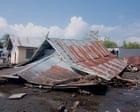
Rescue teams were actively searching through collapsed buildings and landslide debris in eastern Indonesia on Sunday, August 16, 2026, following a powerful 7.7 magnitude earthquake that struck the region the previous day. The seismic event, which occurred on Saturday, August 15, 2026, resulted in the deaths of at least 47 people, with more than 100 individuals sustaining injuries. Thousands have been displaced from their homes due to the widespread destruction.
According to the national disaster management agency, the fatalities were concentrated in several regencies across Flores, an island in the predominantly Catholic eastern part of Muslim-majority Indonesia. Specifically, the Manggarai regency reported at least 24 deaths, while the neighboring East Manggarai regency recorded 17 fatalities. Additional deaths were also confirmed in the Sikka, Ngada, and Ende regencies. Rescuers were particularly focused on six regencies on Flores where landslides, triggered by the earthquake, were feared to have buried people.
The earthquake's magnitude of 7.7 indicates a significant seismic event capable of causing widespread damage. Such earthquakes are often associated with powerful ground shaking, which can lead to the collapse of structures and the triggering of geological hazards like landslides. The geographical distribution of the casualties across multiple regencies highlights the extensive impact of the earthquake across eastern Indonesia. The ongoing search and rescue operations underscore the critical need to locate any remaining survivors and recover the deceased, providing a measure of closure for affected families and communities. The displacement of thousands of people also points to the scale of the housing and infrastructure damage, necessitating immediate humanitarian aid and long-term recovery efforts.
Flores, the island where the earthquake's impact was most severe, is known for its diverse geography, including mountainous terrain that can be susceptible to landslides when disturbed by seismic activity. The fact that the earthquake triggered landslides across six regencies emphasizes the complex and multifaceted nature of the disaster. The response involves coordinated efforts from various agencies, including the national disaster management agency, to manage the immediate crisis, assess the damage, and begin the process of recovery. The humanitarian challenge includes providing shelter, food, medical assistance, and psychological support to those affected by the earthquake and its aftermath. The Indonesian government and international aid organizations are expected to play crucial roles in the relief and reconstruction phases.
Original source — read the full reporting at the publisher:
Read on The Guardian WorldGet the weekly AI digest
AI news + new model releases, weekly. Drafted by our agents, reviewed by humans.