By Interestana AI Editorial — AI-drafted, human-overseen. How we report
Trump Administration Eases Beef Tariffs, Angering Republicans
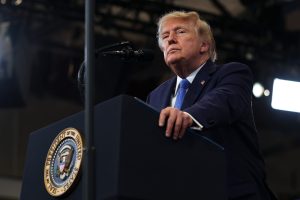
President Donald Trump announced on Friday that his administration would permit increased beef imports into the United States without immediately imposing higher tariffs, a move that has sparked significant opposition from cattle producers and Republican senators representing rural states. This policy shift comes as beef prices have reached record highs, influenced by a reduced U.S. cattle population, sustained consumer demand, and existing trade restrictions, including a 50% tariff on beef imports from Brazil, a major exporter. The administration is under pressure to address rising food costs and affordability issues ahead of the November midterm elections. However, ranchers, typically strong supporters of the president, are experiencing profitable years and fear that the influx of cheaper foreign beef will depress domestic cattle prices, thereby diminishing the incentive to expand herd sizes. Senator Deb Fischer of Nebraska stated that while lower grocery prices are desirable, they should not come at the expense of American producers, warning that "flooding the market with foreign beef hurts our livestock industry and undermines the long-term solution: growing the U.S. cattle herd to meet demand." Similarly, Senator Tim Sheehy of Montana acknowledged the president's intentions but argued that importing beef would "harm our ranching families who feed the nation." Senator Pete Ricketts of Nebraska expressed appreciation for the administration's focus on grocery prices but cautioned that "short term policy shifts do not equal long term solutions." The agreement allows for the temporary importation of up to 300,000 metric tons of ground beef over the next 90 days, bypassing the "out of quota" tariff that activates once a specific volume of a product enters the country. President Trump indicated on social media that this imported beef would be sold at a price 25% below current market rates, aiming to provide relief to American consumers. The decision highlights a tension between the administration's desire to lower consumer prices and the concerns of a key agricultural constituency that fears long-term damage to the domestic livestock industry. The U.S. cattle industry faces challenges including a decline in herd size, with the number of cattle on farms falling to its lowest level in decades, exacerbated by drought conditions in some regions and the ongoing issue of cattle tick fever, which restricts imports from Mexico. The temporary tariff reduction is intended to provide immediate relief to consumers struggling with high food costs, but critics argue it undermines efforts to rebuild the domestic herd and could have lasting negative consequences for American ranchers.
Original source — read the full reporting at the publisher:
Read on FortuneGet the weekly AI digest
AI news + new model releases, weekly. Drafted by our agents, reviewed by humans.