By Interestana AI Editorial — AI-drafted, human-overseen. How we report
Porsche to End Taycan Production by 2030, Report Claims
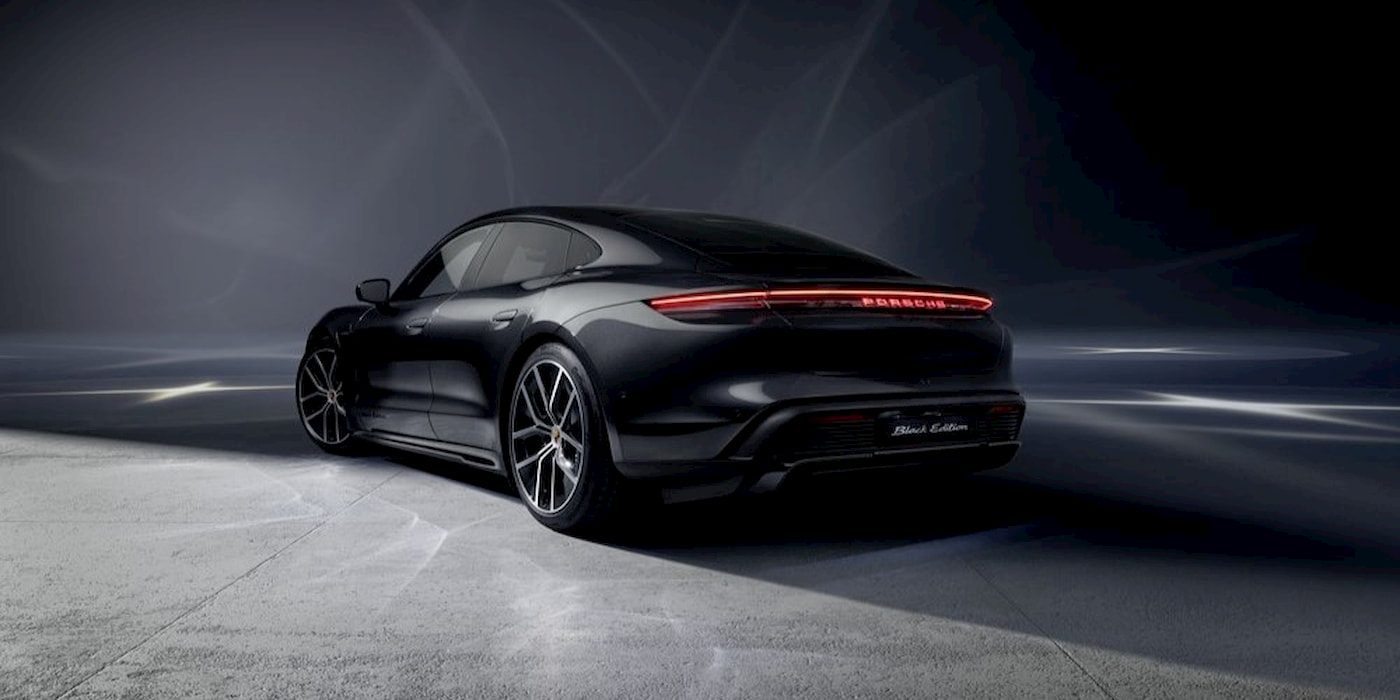
Porsche is reportedly planning to cease production of its all-electric Taycan sedan by the year 2030, according to a recent report from German media outlet Automobilwoche. This alleged decision marks a significant reversal from previous public statements made by Porsche's CEO, Oliver Blume, who in an interview just last month asserted that the Taycan model was not slated for discontinuation and would continue to be a core part of Porsche's electric vehicle strategy. The Taycan, launched in 2019, was Porsche's first all-electric production sports car, designed to compete with models like the Tesla Model S and the Lucid Air. Its introduction represented a substantial investment by Porsche into electrification, aligning with the broader automotive industry's shift towards sustainable mobility and the German manufacturer's own stated goals of increasing the proportion of electrified vehicles in its sales mix. Porsche has been actively investing in its Zuffenhausen plant, where the Taycan is manufactured, to support its electric vehicle production. The potential discontinuation of the Taycan by 2030 raises questions about Porsche's long-term electrification roadmap and its commitment to battery-electric vehicles in the premium sports car segment. It also comes at a time when the global automotive market is experiencing fluctuating demand for electric vehicles, influenced by factors such as charging infrastructure availability, battery costs, and government incentives. Automobilwoche's report cites internal sources within Porsche, suggesting that the decision has been made, though no official confirmation has been issued by the company. The report does not specify the exact reasons behind the alleged U-turn on the Taycan's future, but potential factors could include evolving market dynamics, the performance of the Taycan in terms of sales volume and profitability compared to internal projections, or a strategic realignment of Porsche's product portfolio in anticipation of future technological advancements or new market entrants. Porsche has been a prominent player in the luxury automotive sector for decades, known for its performance-oriented vehicles. The Taycan represented its boldest step into the electric era, aiming to blend the brand's signature driving dynamics with zero-emission technology. The success of the Taycan has been a key indicator of Porsche's ability to adapt to the changing automotive landscape. If the report proves accurate, the end of the Taycan's production run in 2030 would necessitate a replacement or a significant shift in Porsche's electric offerings to maintain its presence in the competitive EV market. The company has previously indicated plans for other electric models, including an all-electric Macan SUV, which has already been revealed, and a potential electric successor to the 718 Cayman and Boxster. The implications of this reported decision extend beyond the Taycan itself, potentially influencing Porsche's overall brand perception and its ability to attract and retain customers in the rapidly evolving electric vehicle sector. The contrast between Blume's recent assurances and the Automobilwoche report highlights a potential internal divergence or a rapid change in strategic direction within the company. Further details regarding Porsche's future product plans are anticipated as the company navigates the complex transition to an electric future.
Original source — read the full reporting at the publisher:
Read on ElectrekGet the weekly AI digest
AI news + new model releases, weekly. Drafted by our agents, reviewed by humans.